
Startup Branding: How To Make Your Brand Memorable

Every startup needs more than a good product to stand out — it needs a brand that people remember. Branding is about shaping how customers see and feel about your business, from your story to the smallest design detail.
When done right, it builds trust and makes your startup instantly recognizable. This article shares simple steps to create a brand that sticks in people’s minds.
Craft a Voice That Feels Like You
For startups, especially, a distinct voice can be a powerful differentiator in a crowded market. It’s what helps people recognize your brand, remember it, and ultimately trust it.
Find the Personality Behind Your Brand
Start with the basics: if your brand were a person, who would it be? Are you the clever rebel? The calm expert? The upbeat best friend? Whatever it is, let that personality shape how you communicate.
Choose a tone and language that reflect your identity and speak directly to your audience. A mental health app might lean into warmth and reassurance, while a new SaaS platform could be clean, confident, and no-nonsense. The key is to own your voice—don’t try to sound like everyone else.
Keep It Consistent Everywhere
Once you’ve defined your brand voice, consistency is key. Whether someone reads a blog post, watches a video, or speaks with your support team, the brand personality should come through in the same way. This doesn’t mean being robotic or repetitive—it means staying true to your tone while adapting it to fit different contexts.
Develop brand voice guidelines that include tone, vocabulary, and examples of do’s and don’ts. Share these guidelines with your team to ensure that everyone—from marketers to developers—communicates in a way that aligns with your brand identity.
When your brand voice is clear, consistent, and true to your values, it builds recognition and trust over time. It helps your startup stand out—and stick—in the minds of your audience.
Set the Visual Tone for Your Startup
Your brand’s visual identity is what people see first—and remember most. It tells your story without saying a word. For startups, strong visuals help build trust, recognition, and connection from day one.
Start With the Essentials
Every startup brand needs a few key visual elements:
- Logo: This is your brand’s signature. It should be simple, flexible, and instantly recognizable. Don’t overthink it—plenty of successful startups began with something clean and minimal. You can quickly design a logo using tools that make it easy, even if you’re not a designer.
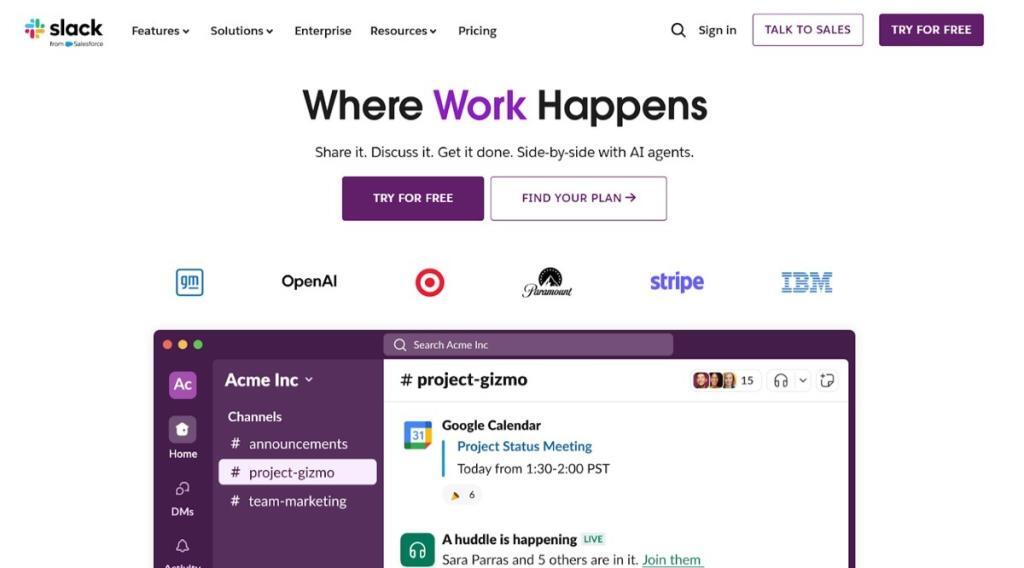
- Color Palette: Colors set the tone of your brand. Take Notion, for example. Its black-and-white color scheme is clean, minimal, and distraction-free—perfect for a tool focused on clarity, structure, and productivity. On the other hand, Slack uses a vibrant mix of colors, including purples, blues, greens, and yellows. It gives off an energetic and inclusive feel, reflecting the brand’s collaborative, people-first mission.
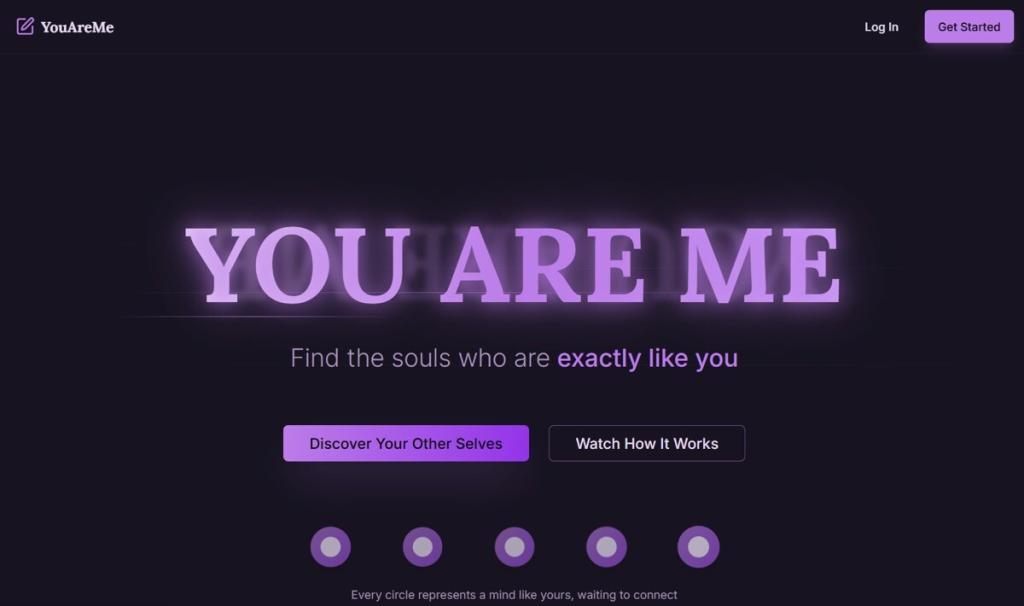
- Typography: A modern SaaS might choose clean sans-serifs to feel sharp and reliable. A wellness brand might go for softer, rounder fonts to feel calm and personal. Stick to one or two typefaces to keep things clean and cohesive.For example, YouAreMe, a journaling app, uses large, glowing text to draw attention and create a focused, personal feel. The bold type helps guide the user’s attention and supports the clean, minimal layout. Stick to one or two typefaces to keep things clean and cohesive.
Storytelling and Brand Narrative
Startups often begin with a clear problem. Your brand story is just a simple way to explain that problem, what you’re doing about it, and why it matters to the people you’re building for.
Start With the Origin
Focus on the moment the idea became a real problem you wanted to solve. Keep it clear and practical. This is often the most useful part of your story, especially in early conversations with users, investors, or partners.
Airtable began with a common issue: teams were using spreadsheets to manage complex workflows, but those spreadsheets were limited. The founders set out to give non-developers the power to build custom tools. That simple origin shaped the way Airtable explains what it does and why it exists.
You can map your own narrative by answering questions like:
- What problem were you trying to solve?
- What did existing solutions lack?
- Who did you build this for?
You can turn your answers into a short brand story that you use across your website, pitch deck, or intro video.
Keep It Clear and Easy to Use
A good brand story should be simple enough that someone can remember it and share it with others. That doesn’t mean it has to sound corporate. Write it the way you’d explain your company to a friend or investor in one or two sentences.
Use your story across everything: your landing page, your email onboarding, your investor deck, and even your social bios. The more often people hear the same core message, the more they understand what you stand for.
Tip: Write your brand story in plain language first. Then test it out. Share it with a few people who don’t know your product and ask them to repeat it back to you. If they understand it and remember it, you’re on the right track.
Deliver a Cohesive Brand Experience
As your startup grows, people interact with your brand in different places—your product, website, social accounts, marketing, and customer support. These should all feel like parts of the same experience.
Even if different teams work on different areas, users should never feel like they’re talking to different companies. That applies to visuals, messaging, features, and even the small details like error pages or email headers.
Bring Alignment Across Touchpoints
Start by mapping your key brand channels:
- Product: Features, layout, and interface should reflect the same identity users see elsewhere. Avoid adding design elements or features that feel out of place with your core product.
- Customer support: Help centers, chat, and emails should follow the same structure and use the same terminology users see in your app or documentation. Even things like loading messages or confirmations should match your product experience.
- Marketing and content: From homepage copy to paid ads, keep the structure, layout style, and visual identity in sync with your product. Don’t reinvent the design or message just for campaigns.
- Social media: Use it to reinforce your brand, not build a new one. Design templates, profile visuals, and recurring post types help bring structure.
Take Pitch as an example. It’s a presentation tool designed for modern teams. Its product interface, templates, blog visuals, and even changelog updates all reflect the same structure and brand style. Whether someone is building a deck, watching a product demo, or reading a release note, it all feels like one product from one company.
Use Social Proof and Community Building
When you’re a new startup, people don’t always know if they can trust you yet. Social proof helps solve that. It shows that real people are already using your product and getting value from it.
Start With Testimonials, Reviews, and Case Studies
User quotes, public reviews, and short case studies can build trust quickly. They give potential customers a way to see your product through someone else’s experience.
Start simple:
- Ask early users for a one-line quote about how your product helped them
- Use actual names and roles if possible—this adds credibility
- If you’ve worked with a team or company, write a short case study that shows the challenge they had, how they used your product, and what improved
You can display these on your homepage, landing pages, pricing page, or even inside your product as validation points. Tools like Senja or Endorsal can help you collect and organize testimonials easily.
If your product is listed on platforms like Product Hunt, G2, or Capterra, ask users to leave honest reviews there. These external platforms add an extra layer of trust for new visitors.
Grow a Community Around the Brand
Early users can become your most loyal advocates if you involve them in product updates, invite feedback, and recognize their contributions.
Start small:
- Create a private Slack or Discord group for engaged users
- Share product updates early with them and ask for feedback
- Highlight power users or community stories in your newsletter or social channels
Figma is a good example. Figma shows how a product can support different types of user communities. It gives creators a place to share and remix designs through its public Community platform.
At the same time, it runs a dedicated forum where users can ask questions, exchange tips, and help each other solve problems. This mix of creative contribution and peer support helps users stay engaged, while also spreading trust through shared knowledge and user-led discovery.

Do Targeted Outreach To Expand Visibility
While community building helps you grow from within, outreach helps you get discovered by new audiences. Reaching out to websites that match your niche — such as curated directories, SaaS blogs, or industry newsletters — can increase exposure and build trust.
To make outreach faster and more effective, you can use an AI Prospecting Tool that evaluates website design, content relevance, and custom criteria to find good-fit opportunities.
Monitoring and Evolving Your Brand
Your brand will need to adapt as your product, team, and market change. That doesn’t mean rebranding every few months—but it does mean checking whether your brand still reflects who you are and how people see you.
Pay Attention to Signals
Look for patterns in how people talk about your product. If users describe it differently than you do, or if they seem confused by your visuals or messaging, those are signs that parts of your brand may not be working as intended.
You don’t need a full brand audit to spot this. Start small:
- Review user interviews and product feedback
- Look at language in support tickets and reviews
Talk to new users about their first impressions
You can also run short surveys using tools like Typeform or track user behavior on your site with tools like Hotjar.
Know When to Refresh
Not every change calls for a rebrand. But certain moments do call for updates:
- Your product has evolved significantly
- You’re entering a new market or speaking to a different audience
- Your current branding feels visually outdated or hard to use
- Competitors are raising the bar and your brand doesn’t stand out anymore
If users are still connecting with your identity, it may only take small adjustments—like updating your typography, improving illustrations, or rewriting homepage copy to reflect new product direction.
Make Changes with a Clear Goal
If you decide to refresh your brand, know what you’re trying to improve. Maybe you need to sound more confident for enterprise buyers, or make your product look more approachable for non-technical users.
Don’t redesign everything at once unless there’s a strong reason to. Focus on what’s no longer working, update those pieces, and test changes with real users when possible.
A brand isn’t a one-time project. It’s something you shape and refine as your startup grows.
Final Words
A memorable brand doesn’t require a big budget or a large team. It just needs clarity, consistency, and intention.
Start with the basics—your voice, visuals, and story—and let them reflect what your product really stands for. As your startup grows, keep listening, keep refining, and let your brand grow with you.
