
How Australian Online Retailers Are Winning With Better Product Pages and Faster Websites

The Australian ecommerce market has grown at a fierce pace over the past few years, and the businesses pulling ahead are not always the ones with the biggest budgets. More often, they are the ones that get the fundamentals right: fast-loading pages, well-presented products, and a checkout experience that does not make customers wait or wonder.
Whether you sell camping gear, consumer electronics, or handmade candles, the principles are the same. Shoppers who land on a slow or confusing site will leave. And they probably will not come back.
Speed Is No Longer Optional for Ecommerce
Google has been clear about this for years. Site speed is a ranking factor, and it directly affects how many visitors actually stay long enough to buy something. Studies consistently show that even a one-second delay in page load time can cause a noticeable drop in conversions.
For online stores, this matters more than for most other types of websites. Product pages tend to be heavier than blog posts or landing pages. They carry multiple high-resolution images, customer reviews, dynamic pricing elements, and interactive features like size selectors or colour swatches. All of that adds weight, and weight slows things down.
The retailers who are winning this battle invest in performance from the start, rather than treating it as an afterthought. They compress images, minify code, leverage browser caching, and use content delivery networks to serve pages faster to customers across Australia’s vast geography.
The Power of Niche Expertise Online
One of the most interesting shifts in Australian ecommerce is the rise of specialist retailers who know their product category inside out. Instead of trying to be everything to everyone, these businesses focus on a specific niche and serve it exceptionally well.
Think about the off-grid and outdoor adventure space. Australian consumers heading into the bush, setting up a caravan, or building a remote cabin need gear they can trust. Generic retailers often stock a handful of options without much depth in any single category. Specialist stores, on the other hand, curate their range carefully and back it up with genuine product knowledge.
Outback SafeTrack is a good example of this approach in action. They have carved out a strong position in the off-grid market by focusing on quality power solutions for Australian conditions. Their range of iTechWorld batteries has become popular with campers and off-grid enthusiasts who need reliable lithium power that can handle the heat and the demands of remote travel. It is the kind of focused curation that builds trust and repeat customers.
For any ecommerce business, the lesson is clear: go deep on what you know, and make sure your product pages reflect that expertise. Detailed descriptions, honest specifications, and comparison tools all help customers feel confident about their purchase.
What Makes a Product Page Convert
A beautiful product photo is a good start, but it is only one piece of the puzzle. The pages that actually convert visitors into buyers tend to share a few common traits.
First, they load quickly. If a customer clicks through from a Google search or a social media ad and the page takes more than three seconds to appear, you have already lost a significant chunk of your potential sales. Speed is the foundation everything else sits on.
Second, they answer questions before the customer has to ask. What are the dimensions? What is the warranty? Does it ship to regional areas? How does it compare to similar products? The more information you provide upfront, the fewer objections stand between the customer and the checkout button.
Third, they use social proof effectively. Reviews, ratings, and customer photos add credibility that no amount of marketing copy can match. Shoppers trust other shoppers, and featuring real feedback prominently on the page makes a measurable difference.
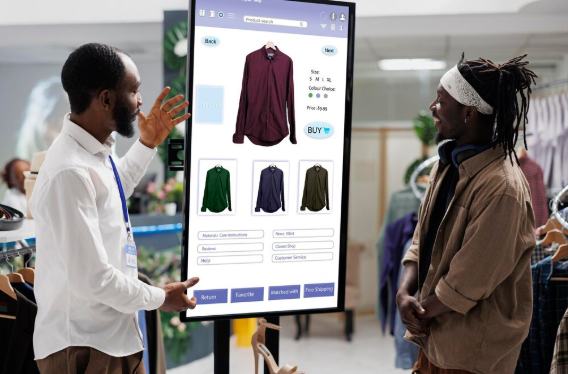
The Role of Site Performance in Product Discovery
Speed does not just affect what happens after a customer lands on your site. It also determines whether they find you in the first place. Google’s Core Web Vitals are now a confirmed part of the ranking algorithm, and they measure exactly the things that slow ecommerce sites tend to fail on: loading performance, interactivity, and visual stability.
If your product pages take too long to load, Google will push them down the results. That means fewer eyeballs, fewer clicks, and fewer sales. It is a compounding problem because the sites that rank higher get more traffic, which generates more reviews and backlinks, which helps them rank even higher.
For WordPress-based stores, a solid caching strategy is one of the fastest ways to improve performance across the board. The WP Fastest Cache blog has a detailed breakdown of how website speed impacts ecommerce sales that is worth reading if you want to understand the full picture. Small improvements in load time can translate into real revenue gains, especially during high-traffic periods like holiday sales.
The Australian Consumer Electronics Market
Consumer electronics is one of the most competitive ecommerce categories in Australia. Shoppers are savvy, well-researched, and quick to compare prices across multiple retailers before committing. Winning in this space requires more than just competitive pricing. It demands a fast, trustworthy, and informative shopping experience.
Television sales are a perfect case study. Buyers researching a new TV will visit multiple sites, compare specs, read reviews, and check delivery options before making a decision. The retailer who provides the clearest information, the fastest page experience, and the most confidence in after-sales support tends to win the sale, even if their price is not the absolute lowest.
Amplify AV has done well in this space by focusing on premium home entertainment products and backing them with genuine expertise. Their curated selection of Sony TVs in Australia pairs detailed product information with helpful buying guides, making it easier for customers to find the right screen for their setup without having to dig through endless generic listings.
For any electronics retailer, the takeaway is that product knowledge and presentation matter as much as price. Customers will pay a premium to buy from a retailer they trust, especially on high-value purchases where getting it wrong is costly.

Building Trust Through Transparency
Trust is the currency of online retail. Every element of your website either builds or erodes it. Slow load times erode trust. Vague product descriptions erode trust. Hidden shipping costs erode trust.
On the other hand, clear return policies, visible customer reviews, fast page loads, and detailed product specifications all build the kind of trust that turns browsers into buyers. Australian shoppers in particular tend to value transparency. They want to know exactly what they are getting, when it will arrive, and what happens if something goes wrong.
The best ecommerce operators in Australia have figured this out. They invest in performance, product presentation, and customer service not as separate line items but as parts of a single, integrated experience. The result is higher conversion rates, better customer retention, and stronger word-of-mouth referrals.
Start With the Basics
If you are running an online store and wondering where to focus your efforts, start with the two things that matter most: page speed and product page quality. Get your site loading in under three seconds. Make sure every product page tells the customer everything they need to know. And invest in the tools and platforms that let you deliver a seamless experience from first click to delivery.
The Australian ecommerce landscape rewards businesses that respect their customers’ time and intelligence. Speed, clarity, and expertise are not just nice to have. They are the foundation of every successful online retail operation.
