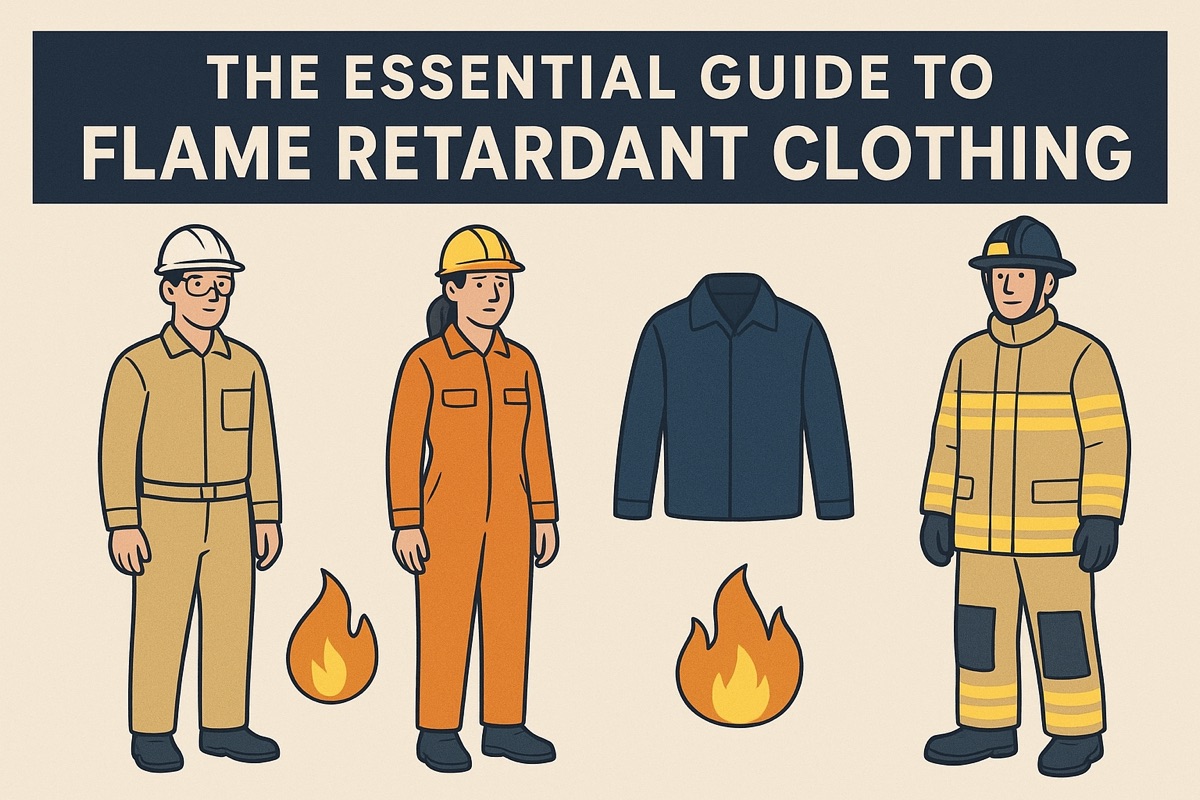
The Essential Guide to Flame Retardant Clothing Protection, Standards, and Everyday Safety

On many job sites from construction and oil & gas to electrical and welding shops proper protective gear can mean the difference between life and severe injury. That’s why investing in reliable flame retardant clothing is not just smart, it’s essential for workers exposed to heat, sparks, flames, and flash fire hazards. Designed to self-extinguish and reduce burn severity, quality FR apparel protects lives while helping employers meet safety standards and workers feel confident in hazardous environments.
Understanding the Purpose of Flame Retardant Clothing
Flame retardant clothing isn’t simply fire-resistant it’s engineered to limit ignition, withstand heat, and protect the wearer in environments where open flames, electrical arcs, and sparks are present.
Key protection goals include:
- Reduce burn severity in the event of a flame or arc exposure
- Self-extinguish once the ignition source is removed
- Prevent secondary ignition during continued exposure
- Provide thermal insulation to minimize injury
This means flame retardant gear doesn’t just protect fabric it protects human skin and tissue.
Who Needs Flame Retardant Clothing?
FR gear is crucial across many industries where heat or flames are consistent hazards.
Common occupations that require FR apparel:
- Oil & Gas Workers exposure to flammable gases and liquids
- Electricians & Linemen arc flash risk
- Welders & Fabricators sparks and molten metal exposure
- Chemical Plant Workers heat and reactive material risk
- Fire Services & First Responders direct flame contact
- Construction Crews near fuel or ignition sources
In these environments, ordinary clothing can ignite and continue to burn increasing injury risk. FR clothing reduces this possibility dramatically.
How Flame Retardant Clothing Works
FR apparel doesn’t resist heat forever, but it delays ignition and slows the spread of flames.
Two basic mechanisms:
- Inherent FR Fabrics – Materials like aramid are naturally flame-resistant because of their chemical structure. The property never washes out.
- Treated FR Fabrics – Materials like cotton are treated with flame-retardant chemicals that provide protection, but may require re-treatment over time.
Both types are valuable; the choice depends on job type, durability needs, and how often laundering is expected.
Key Safety Standards You Should Know
To ensure protective performance, FR clothing must meet standardized testing criteria.
Important standards include:
- NFPA 70E Electrical safety requirements, especially for arc flash protection
- NFPA 2112 Minimum performance for flame-resistant garments
- ASTM F1506 Performance requirements for materials in arc flash environments
- OSHA Compliance Regulations that mandate PPE where flame/arc hazards exist
These standards ensure that protective gear performs when workers need it most and they’re often legally required in high-risk industries.
How to Choose the Right Flame Retardant Clothing
Selecting FR gear isn’t one-size-fits-all it depends on the work environment and exposure risk.
Considerations include:
- Level of hazard: electrical arc vs. open flame
- Industry-specific risks: chemicals, sparks, heat
- Comfort & fit: too loose or too tight can reduce safety
- Fabric durability: rugged environments demand long-lasting materials
- Layering needs: summer vs. winter work conditions
Whether choosing FR shirts, pants, coveralls, jackets, or multi-layer systems, fit and compliance matter most.
Maintaining and Caring for Flame Retardant Clothing
FR clothing needs proper care to ensure long-term effectiveness.
Care tips:
- Wash according to manufacturer instructions
- Avoid fabric softeners and bleach
- Inspect regularly for wear or damage
- Replace garments that show thinning or stitching failure
- Track service life as recommended by safety standards
Improper care can compromise FR performance, so following guidelines protects both gear and wearer.
Training and Education: A Critical Part of Safety
Protective gear is effective only when workers understand its limits and use it correctly.
Training should cover:
- Proper garment selection
- Correct donning and doffing
- Understanding exposure risks
- Recognizing compromised gear
- Integrating FR clothing with other PPE (gloves, helmets, boots)
A trained workforce is a safer workforce.
Final Thoughts
Flame hazards are an everyday reality in many trades and flame retardant protection shouldn’t be optional. With the right flame retardant clothing, workers significantly reduce risk without sacrificing comfort or performance. Trusted FR gear protects lives, supports compliance, and builds confidence on the job site. Investing in quality PPE isn’t just good practice it’s a commitment to safety that pays dividends every shift.