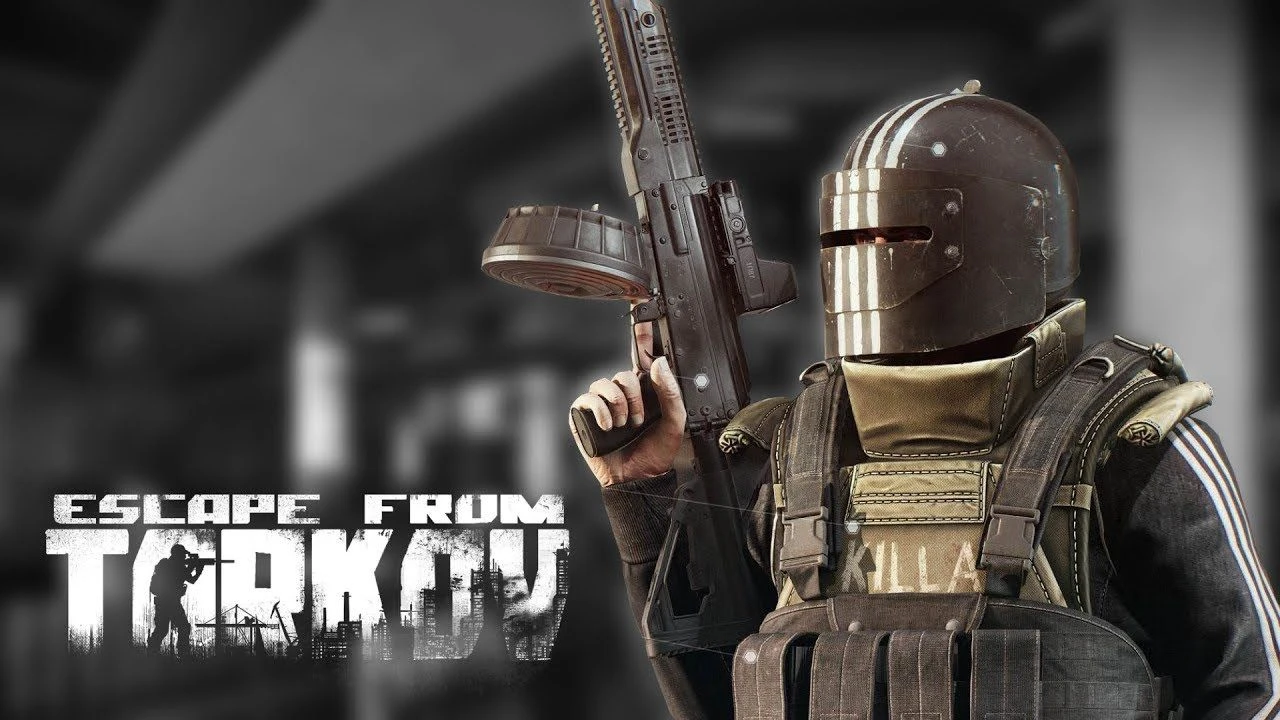
Escape From Tarkov Wipe Season: Why Players Are Rushing Boosting Services Every Cycle

In most online games, the demand for boosting services grows gradually over time as players hit endgame content. Escape from Tarkov operates differently. Its seasonal wipe system — redesigned with the game’s full 1.0 release in November 2025 — creates repeating demand spikes that are predictable, concentrated, and among the most intense of any game genre.
The pattern is well-established: a season launches, demand for carry services surges in the first 72 hours, sustains through the mid-season quest bottlenecks, then spikes again as the season approaches its end. Players who understand this cycle can use boosting services at exactly the right moments to maximize what they get from each season. Players who do not understand it often find themselves stuck in the same grind loops they were stuck in the season before.
This article explains how Tarkov’s new seasonal structure works in 2026, where the demand peaks are, and what the carry services market currently covers.
How the New Tarkov Seasonal System Works in 2026
Escape from Tarkov launched its full 1.0 release on November 15, 2025, and with it came a fundamental restructuring of the wipe system that defined the game’s beta years from 2017 to 2025. The old model — a single global reset that hit every player simultaneously every six to nine months — has been replaced with a dual-character system:
- Permanent character: Your long-term profile. Levels, stash, hideout progress, trader loyalty, and quest completion all carry forward indefinitely. This character is never forcibly reset.
- Seasonal character: An optional fresh-start profile that resets at the end of each season. Seasonal gameplay is PvP-only and structured around competitive fresh-economy progression. Seasonal rewards — cosmetics, achievement markers, unique items — transfer to your permanent character when the season ends.
The result is a system that preserves what veteran players valued about wipes — equal starts, fresh economies, competitive first-week chaos — while protecting the progression of players who prefer long-term stability. Seasonal characters are completely optional: if you want the fresh-start experience, you play seasonal. If you prefer steady progression, your permanent character continues without interruption.
“The Escape From Tarkov wipe system in 2026 is no longer a single reset that hits every player at once. Instead of a single model where everyone resets together, the game moved toward a split approach: a permanent character for long-term progression and a seasonal character that resets on a schedule.” — CarryLord analysis, 2026
Season 1 launched alongside the 1.0 release in November 2025 and is currently in its mid-to-late phase. Season 2 is planned for Q4 2026, which places its start window between October and December. The pre-season signals that have historically preceded a wipe — special events, boosted loot spawns, unusual raid conditions — will appear in the weeks before Season 2 launches.
The Demand Cycle: When Players Rush to Boosting Services
Tarkov’s seasonal structure creates five distinct demand peaks for carry services. Understanding the timing helps players make decisions about when service purchases deliver the most value:
| Phase | Timing | What happens | Boost demand |
| Season launch | Day 1–3 | Economy resets to zero; everyone starts equal; early movers get best loot/quest value | Very High — Flea Market unlock, PMC leveling, early quests |
| Early season | Week 1–3 | Meta solidifies; Flea Market fills; quest chokepoints emerge; Hideout upgrade race | High — quest chains, Hideout resources, trader leveling |
| Mid season | Week 4–10 | Economy matures; late-game quests require rare ‘found in raid’ items | Medium — specific quest items, late-chain completions, boss kills |
| Late season | Week 10–end | Pre-season events; loot spikes; casual players return for wipe window | High — rush completions before reset; seasonal reward collection |
| Season end / reset | Final days | Stash liquidated; seasonal rewards carry over to permanent; new season starts | Very High — max demand spike; players racing final milestones |
| PvE (ongoing) | No reset | Permanent character progression; prestige system for optional reset | Medium — quest and hideout assistance year-round |
The two highest-demand windows — season launch and season end — are structurally guaranteed every cycle. Season launch generates the most intense short-term demand: players competing to reach Flea Market access (PMC level 15) first, to level traders ahead of the rest of the playerbase, and to complete early-chain quests while items are still cheap. Season end generates a second surge as players who delayed engagement throughout the season rush to complete milestones before the reset removes their seasonal character’s progress.
The Flea Market unlock is the single most consequential milestone in any Tarkov season. At PMC level 15, players gain access to the player-driven trading marketplace where fortunes are made in the early weeks of a season. Reaching this level in the first 24–48 hours of a season — versus the average casual player’s three to five days — provides access to undervalued items that the market has not yet priced correctly. Carry services that execute the level 1–15 sprint efficiently are the most time-sensitive purchase of any Tarkov season.
Why Tarkov Specifically Drives Boosting Demand Unlike Other Games
Several structural features of EFT make Tarkov boosting demand more pronounced than in comparable extraction shooters or ARPGs:
- The ‘found in raid’ requirement. Many of Tarkov’s quest items must be found inside a raid and extracted — they cannot be purchased from other players or the Flea Market. This means completing certain quest chains requires running specific maps, finding specific containers, and extracting successfully. Each failed raid costs gear, time, and carries psychological weight that casual players find disproportionately frustrating. Carry teams who know exact spawn locations and extraction routes complete FIR quests in a fraction of the time solo players require.
- Boss spawns and exclusive drops. Several of Tarkov’s most valuable items drop exclusively from boss characters (Killa, Reshala, Glukhar, Sanitar, Shturman). Bosses are difficult, spawn with armed guards, and can kill undergeared players instantly. The demand for boss kill services is consistent across every phase of a season because the drops are valuable at every level of progression.
- Hideout upgrades require FIR resources. The Hideout — Tarkov’s offline base management system — requires specific ‘found in raid’ items to upgrade modules like the Bitcoin Farm, Medical Station, and Workbench. These modules provide passive income and skill bonuses that compound across the season. Players who upgrade their Hideout faster gain compounding advantages. Carry services that efficiently farm the required FIR resources are consistently in demand from Week 2 onward.
- Extreme difficulty curve for new and returning players. Tarkov’s reputation as one of the most punishing games in any genre is earned. Map layouts require dozens of hours of memorization. Ballistics and armor penetration mechanics are more complex than any mainstream FPS. Players who return after a season break or join fresh often spend the first two weeks dying repeatedly to better-equipped players who never left. Sherpa (coaching) and carry services that provide guided raid support while players rebuild map familiarity are a consistent demand category that no other extraction game generates at the same rate.
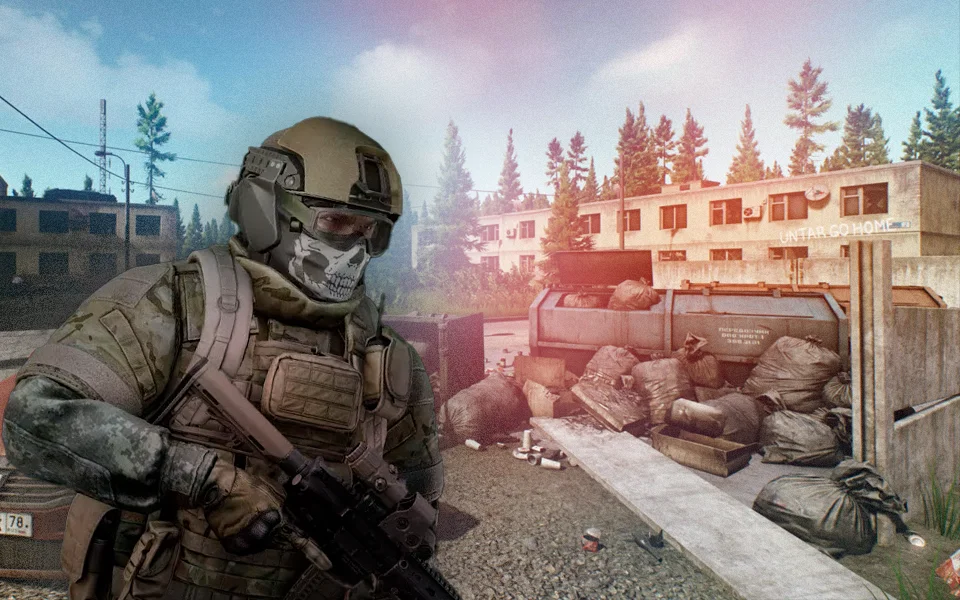
The Full Service Menu: What Players Are Currently Buying
The Tarkov carry services market covers every phase of progression. Here is the complete service map for 2026:
| Service | What it covers | When to buy | Best for |
| PMC Leveling (1–15) | Reach Flea Market access through guided raids with a carry team | Season launch | New / returning players |
| Flea Market unlock | Complete minimum quests to hit level 15 fast; unlocks trading | Season launch | All player types |
| Trader leveling | Boost loyalty level with Prapor, Therapist, Mechanic, Skier, Jaeger | Week 1–4 | Gear-focused players |
| Quest chain carries | Professional guides complete difficult quest chains (Mechanic, Prapor, Jaeger) | All season | Quest-stuck players |
| Boss kills | Killa, Reshala, Glukhar, Sanitar, Shturman — unique drops and reputation | All season | Item hunters |
| ‘Found in raid’ items | Specific quest items that must be found in a raid, not bought — boosters farm | Mid-late | Late-chain quest completers |
| Hideout upgrades | Gathering FIR resources for Bitcoin Farm, Workbench, Med Station | Week 2–8 | Passive income builders |
| Roubles / stash farm | Guided loot runs for high-value items; carried extractions from premium maps | All season | Economy builders |
| PvE Prestige carries | Help reaching Prestige milestone in the permanent PvE mode | All season | PvE-focused players |
| Coaching / Sherpa | Live tactical guidance through raids — map routes, extraction, positioning | All season | Skill improvement seekers |
The services in highest current demand (mid-to-late Season 1) are late-chain quest completions requiring rare FIR items, Hideout resource farming for players who delayed base upgrades, and boss kills for item hunters working toward the Kappa container — Tarkov’s most prestigious achievement, requiring completion of virtually every quest in the game. Season 2 in Q4 2026 will reset demand to launch-level for seasonal players, while PvE and permanent character services continue year-round.
PvE Mode and the Prestige System: A Separate Market
Tarkov’s PvE mode operates completely independently of the seasonal wipe cycle. PvE uses a persistent permanent character that is never reset, with BSG adding the Prestige system as the optional endgame for players who want to reset voluntarily in exchange for exclusive cosmetic rewards.
The PvE carry services market is distinct from PvP seasonal services in one important way: the time pressure is lower. Without a season end forcing completion deadlines, PvE players typically purchase services when they hit specific bottlenecks — a difficult quest chain that is blocking progression, a Hideout upgrade that requires items they cannot efficiently farm at their current gear level, or boss kills that require a skilled team to execute safely.
The PvE prestige system itself creates a specific service category: players who want to reach the prestige threshold (which requires completing a significant portion of the game’s quest content) before resetting. This is Tarkov’s equivalent of a seasonal achievement completion service, and demand has grown with each month since the 1.0 launch as more players approach their first prestige milestone.
Season 2: What to Expect and When to Prepare
Season 2 is confirmed for Q4 2026 — the October to December window. Historical patterns from the beta era and Season 1 launch give a clear picture of what to expect:
- Pre-season events (2–4 weeks before launch). BSG typically runs a special event with boosted loot, unusual boss spawns, and community challenges. Maximum-value loot spawns, event quests, and pre-season chaos are the signature of this window. It is also when demand for final-season milestone completion spikes among players who want to maximize their Season 1 seasonal rewards.
- Launch day surge. The first 24 hours of Season 2 will see the highest concurrent player counts of the year for the seasonal mode. Carry service demand for PMC leveling and Flea Market unlock will be at maximum. Order queues at established providers fill quickly. Pre-booking services before Season 2 launch is advisable for players who want guaranteed access to carry team capacity on day one.
- Week 1–3 economy window. The period when the Tarkov economy is the youngest and most lucrative for well-positioned players. Items that will be abundant in week 6 are scarce in week 1. Players who reach Flea Market access and complete early trader quests first accumulate wealth advantages that persist for the entire season.
Where to Find Tarkov Carry Services
The Tarkov carry services market has matured significantly since the 1.0 release. Key providers now offer dedicated EFT boosting pages with services covering every phase of progression — PMC leveling, Flea Market unlock, trader leveling, quest chains, boss kills, Hideout resources, Roubles farm, and PvE Prestige assistance.
Platforms like XBoosty offer Escape from Tarkov carry services alongside coverage for WoW Midnight, ARC Raiders, Diablo 4, and other major 2026 titles. For players who use boosting services across multiple games — managing different season cycles simultaneously — having a single provider that covers all active titles is a practical convenience that the more specialized platforms cannot offer.
For Season 2 specifically, the highest-value window for service purchases will be the first week of Q4 launch and the final two weeks before the season closes. Players who plan their service purchases around these windows — rather than reacting to bottlenecks as they arise — consistently get the most value from each Tarkov season.
The Takeaway
Escape from Tarkov’s seasonal system in 2026 is the most structured and predictable demand cycle in extraction shooters. Season launches, quest bottlenecks, pre-season events, and season-end rushes each generate specific service demand at predictable moments. Players who understand this cycle and plan their carry service purchases around it — PMC leveling at launch, quest chains in mid-season, final milestones before reset — consistently have better seasons than those who grind through the same friction points alone.
With Season 2 arriving in Q4 2026, players currently in the permanent character or mid-season PvE progression track have until October at the earliest before the next major demand wave. The time between now and Q4 is the window for late-season quest completions, Hideout optimization, and Prestige progression for those who want to arrive at Season 2 launch with their permanent character in the best possible position.
