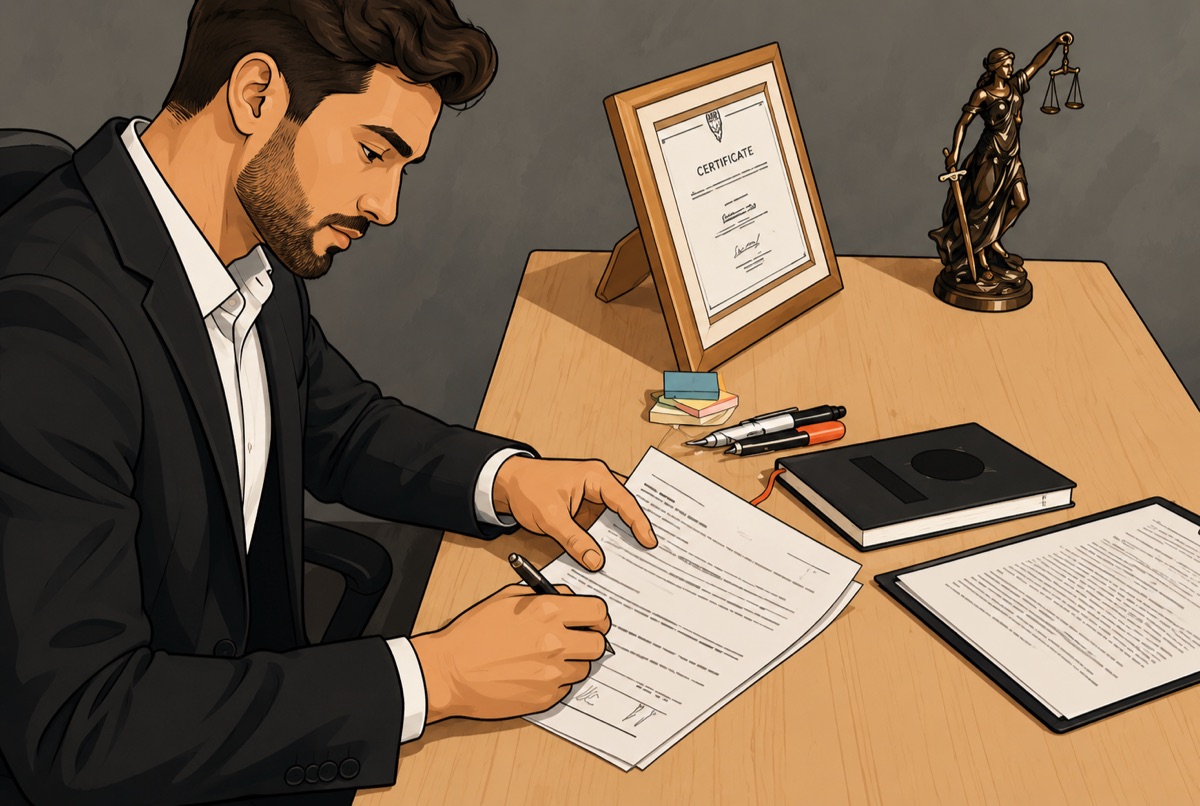
How Evidence Can Make or Break Your Personal Injury Case

Getting hurt because of someone else’s carelessness is already devastating. But here’s what most people don’t realize until it’s too late: your injuries alone won’t win your case. What actually determines whether you receive fair compensation is what you can prove.
Understanding evidence in personal injury cases isn’t a nice-to-have. It’s the single most critical factor between a successful claim and walking away with nothing. This guide covers everything you need to know, starting from day one.
Evidence is the entire foundation, full stop
Nobody wins on words alone. Whether it’s a courtroom jury or an insurance adjuster, they need facts. Verifiable, documented, concrete facts.
What “Evidence” Actually Looks Like Here
Evidence in personal injury cases encompasses everything that supports your account of what happened, including photographs, medical records, eyewitness statements, surveillance footage, and more. Think of it less like paperwork and more like the structural frame holding your entire claim together. Resources from organizations like the American Bar Association can also help people better understand how evidence strengthens personal injury claims.
The Stakes Are Higher Than You Think
The importance of evidence in personal injury situations is something victims consistently underestimate. Without solid proof, you’re essentially asking an adjuster or a jury to simply believe you. That rarely ends well.
Chino Hills is a thriving Southern California community with rolling hills, family-oriented neighborhoods, and proximity to major business corridors. It also sees a meaningful volume of serious injury claims every year. Local courts have specific expectations, and regional experience genuinely matters here.
Working alongside Chino Hills Personal Injury Attorneys can fundamentally shift what your case looks like. These attorneys bring deep regional knowledge combined with real courtroom experience; that combination is more powerful than most people appreciate until they’re actually in the thick of a claim.
What Types of Evidence Actually Move the Needle
Not all evidence is created equal. Some types carry enormous weight. Others barely register. Knowing the difference early on matters enormously.
Physical Documentation and Official Records
Police reports, medical records, and photographs from the accident scene represent the gold standard of personal injury case proof. They’re objective, time-stamped, and genuinely hard to challenge.
Medical records deserve particular emphasis. They establish a direct, documented connection between the incident and your injuries. That linkage is what allows you to prove both liability and damages, the two things every successful claim depends on.
Witnesses, Devices, and Digital Footprints
Eyewitness accounts add human credibility to your claim. Pair those with dashcam footage, surveillance video, text messages, or even social media posts, and your case becomes significantly harder to dismiss.
Here’s a number worth pausing on: according to a 2026 industry trends report, 97% of investigators now cite smartphones as their top evidence source, up 24 points from 73% in 2024. Preserving your phone data immediately after an accident isn’t optional anymore. It’s essential.
Gathering and Preserving Evidence the Right Way
Understanding how evidence affects injury claims is just as important as knowing what to collect. Evidence disappears faster than most people expect: security footage gets overwritten, witnesses forget details, and accident scenes change overnight.
Move Quickly Right After the Incident
Document everything before anything moves or gets cleaned up. Photograph the scene from multiple angles. Collect witness names and contact information while they’re still present. File an official report and get your copy.
Keep a Daily Recovery Journal
Record your pain levels, physical limitations, and emotional state every single day. This journal becomes surprisingly powerful when proving non-economic damages like pain and suffering categories that insurance companies routinely try to minimize or dismiss.
Avoid These Common Preservation Errors
Don’t post about your accident on social media. Don’t delay medical treatment even if you feel okay initially. And don’t assume your evidence collection is complete; gaps in documentation are exactly what defense attorneys are trained to find and exploit.
How Compelling Evidence Shapes Outcomes Before and During Trial
This is where thorough preparation actually pays dividends. The role of evidence in personal injury litigation extends well beyond proving what happened. It directly influences how much you ultimately recover.
During Settlement Negotiations
Insurance companies evaluate the strength of your documentation before making any offer whatsoever. A well-organized claim with clear liability proof forces a more reasonable number. A thin claim gets lowballed or flatly denied.
Inside the Courtroom
At trial, strong evidence tells your story convincingly to a jury. Accident reconstructions, expert testimony, pay stubs, repair invoices, and documented lost wages all build a fuller, more credible portrait of your actual damages.
Mistakes That Quietly Kill Otherwise Strong Cases
Even compelling evidence can be neutralized by avoidable missteps. A few critical ones deserve your attention.
Mishandling or Losing Documentation
Accidentally deleting footage, misplacing records, or altering documentation in any way, even unintentionally, can trigger sanctions or severely compromise your case. Courts treat evidence spoliation with real seriousness.
Waiting Too Long to Act
Every state enforces a statute of limitations. Delaying the collection of evidence for several months means that critical proof is simply gone. Speed isn’t just advisable here. It’s necessary.
How Experienced Attorneys Transform Evidence Into Real Results
Avoiding mistakes is critical, but the right legal team does more than that; they know how to construct a compelling evidentiary record that consistently produces stronger outcomes.
Multidisciplinary Investigation From the Start
Seasoned attorneys don’t operate in isolation. They collaborate with accident reconstruction specialists, medical professionals, and forensic analysts to build the most thorough possible case on your behalf.
Strategy Built Around Your Specific Facts
No two cases are identical. Skilled legal teams evaluate your particular circumstances, identify your most persuasive available evidence, and design a strategy built specifically around your situation, not some generic template.
Common Questions Worth Addressing Directly
Can you win a personal injury case without evidence?
Extremely unlikely. You need verifiable proof to establish both liability and damages. Even circumstantial evidence matters, but a claim built on nothing concrete rarely survives a determined defense team or experienced adjuster.
How much do you actually take home from a $50,000 settlement?
After attorney fees, medical liens, and court costs, most claimants walk away with somewhere between $20,000 and $30,000. Every situation differs based on outstanding debts and your specific fee arrangement.
Why do judges often prefer settlements over trials?
Trials can produce larger verdicts, but they carry genuine risk. Most personal injury cases settle because negotiated agreements deliver guaranteed recovery, faster resolution, and meaningfully lower legal costs for all parties involved.
Don’t Underestimate What’s at Stake Here
Evidence isn’t bureaucratic paperwork. It’s the difference between a recovery that actually reflects your losses and walking away empty-handed. From photos captured at the scene to medical records obtained weeks later, every documented detail strengthens your position. Don’t wait. Don’t guess. Don’t go it alone.
The sooner you move to preserve strong evidence in personal injury cases, the better your odds of reaching the outcome you genuinely deserve. Connect with experienced legal counsel today, your future self will be grateful you did.