Commercial Roof Leak Detection After Severe Weather: What Property Managers Must Know Right Now

Severe weather doesn’t knock before it arrives. One hour, you’re monitoring a radar map, and the next, your building has taken a beating you can’t yet fully see. Here’s the uncomfortable truth: the storm itself isn’t always the worst part. What follows it is.
Hidden water infiltration is silent, patient, and relentless. Commercial roof leak detection becomes your single most urgent priority the moment that last raindrop hits the ground. Delay a roof inspection after storm events by even a day or two, and what was a $4,000 repair can quietly balloon into a $40,000 disaster.
Severe weather roof damage runs the full spectrum, from pinhole membrane punctures you’d never spot from the parking lot to full structural compromise that shuts your building down.
Speed matters. So does having a plan before you need one. Properties with active leak detection systems experience 37% fewer water damage claims than unprotected facilities. That stat alone should change how you think about storm preparedness.
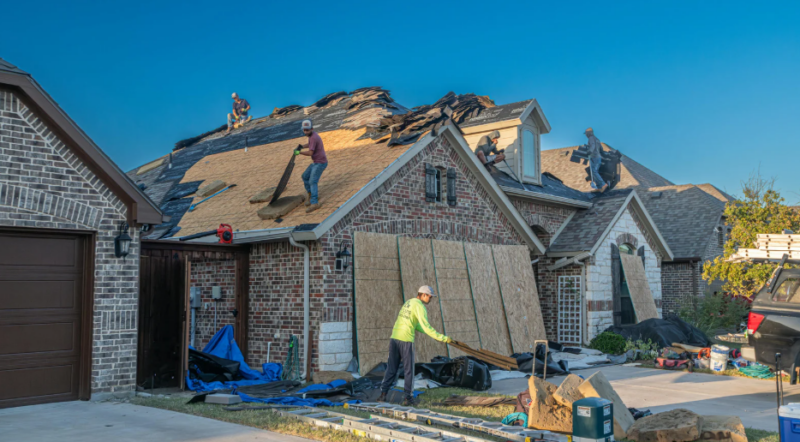
When water breaches your roof, every hour of inaction multiplies the damage. That’s why, following severe weather, it is vital to contact us for trusted emergency commercial roof repair as soon as possible. Having a response team on call before a crisis separates proactive property managers from those scrambling on the phone during a downpour.
Understanding What Severe Weather Actually Does to Your Roof
Most people assume storm damage is obvious. It rarely is. The real destruction hides beneath membrane surfaces, burrows into insulation layers, and creeps behind flashing assemblies, invisible until it’s already causing serious harm.
Which Roof Types Take the Hardest Hit
Flat commercial roofs are particularly vulnerable. TPO, EPDM, and BUR systems each respond differently under storm stress. Wind uplift peels back membrane seams. Hail punches through single-ply systems. Freeze-thaw cycling splits brittle BUR layers from the inside out. Pitched roofs drain better but carry serious wind-uplift exposure at ridges and eaves.
How Storm Damage Actually Happens
Wind separates flashing from penetrations, creating direct channels for water to funnel into structural cavities. Hail leaves micro-punctures scattered across membrane surfaces that won’t reveal themselves until the next rain event.
Hidden severe weather roof damage can sit undetected for weeks before you notice a ceiling stain or catch a whiff of mold, which is why commercial roof storm damage repair and emergency commercial roof repair often become urgent sooner than property owners expect.
Warning Signs Your Commercial Roof Has Been Compromised
Recognizing storm damage quickly is half the battle. The other half? Knowing where to look, because the clues aren’t always on the roof itself.
Interior and Exterior Red Flags
Inside your building, watch for water stains on ceiling tiles, bubbling drywall, musty odors near HVAC supply zones, and swollen insulation. Outside, look for deteriorating membrane edges, lifted flashing, standing water on flat sections, and clogged drainage points. Mold growth near rooftop penetrations demands immediate professional attention, full stop.
The Subtle Signs Most People Miss
Unexplained spikes in your energy bills often signal wet insulation that’s lost its thermal efficiency. Rusted fasteners around rooftop HVAC units point to chronic moisture exposure. And if your HVAC system is pulling unusually humid air from attic spaces, there’s a real chance a hidden leak hasn’t yet reached your finished ceilings, but it’s on its way.
Your Post-Storm Roof Inspection Checklist
Knowing what damage looks like means nothing if you don’t have a structured process for finding it. Here’s how to approach your post-storm inspection without cutting corners or risking your safety.
Safety First. Always.
Never access a commercial roof immediately after a storm without proper fall protection gear. Non-slip footwear, harnesses on sloped surfaces, and hard hats near structural debris are non-negotiables. If you suspect structural damage, call a licensed professional. Your safety outweighs any urgency.
A Methodical Visual Walk-Through
Start at gutters and downspouts, check for granule buildup, debris blockages, and separation points. Work systematically toward rooftop HVAC units and all penetrations. For subsurface saturation that visual checks completely miss, advanced tools like infrared moisture scanning and drone inspection technology are genuinely worth the investment.
Documentation That Protects You
Photograph every visible damage point with timestamps and GPS-tagged images. Create detailed written logs, damage location, approximate affected area, and visible water intrusion. Near 38% of U.S. commercial facilities have adopted advanced water leak detection systems as of 2024. Structured documentation dramatically strengthens your insurance claim when it matters most.
Advanced Techniques for Accurate Leak Detection
Some leaks are simply too elusive for the naked eye. The most experienced property managers layer traditional walkthroughs with specialized detection technology, and the difference in accuracy is significant.
Finding Leaks in Large Commercial Facilities
How to find roof leaks in expansive commercial buildings requires more than a flashlight and a ladder. Electronic leak detection runs low-voltage current across wet membranes to pinpoint breach locations with precision.
Smoke testing pressurizes the roofing system to reveal unsealed gaps around penetrations. Water tracing methods apply controlled water volumes section by section while inspectors monitor interior ceiling response in real time.
When to Stop DIY and Call a Professional
Don’t wait for visible interior damage before picking up the phone. Correlate recent weather events with any unexplained performance changes in your building, unusual humidity, higher energy consumption, musty HVAC output, and schedule a professional assessment promptly. Certified contractors bring equipment that transforms uncertain suspicions into confirmed, mapped leak locations.
Emergency Repair Options and the Restoration vs. Replacement Decision
Once you’ve identified the source, speed is everything. Here’s what your repair options actually look like.
Modern Temporary Leak Control
Liquid-applied membranes create immediate waterproof barriers across compromised areas. Commercial roof tarping secures large sections against ongoing moisture infiltration during full assessments. Smart roofing sensors now deliver real-time moisture alerts, giving facility teams the ability to respond before water ever reaches finished interior spaces.
Restoration vs. Replacement: A Clear Framework
| Factor | Restoration Candidate | Replacement Candidate |
| Roof Age | Under 15 years | Over 20 years |
| Damage Extent | Under 25% of surface | Over 40% of surface |
| Insulation Condition | Mostly dry | Saturated throughout |
| Warranty Status | Manufacturer warranty intact | Warranty expired |
Commercial roof leak repair decisions should prioritize business continuity. Restoration is faster and far less disruptive. Replacement delivers longer-term performance but comes with downtime. The right choice depends on the current damage extent and how much membrane life you have remaining.
Staying Ahead of the Next Storm
Emergency repairs buy you time. What protects you long-term is a proactive strategy built before the weather turns.
Scheduled post-storm and seasonal inspections catch developing vulnerabilities before they’re exploited. Drainage cleaning prevents ponding water from overwhelming flat roofs, one of the most common accelerators of membrane failure. Maintenance logs also demonstrate due diligence to insurers when claims arise.
On the materials side, impact-resistant membranes, reinforced seam systems, and high-performance coatings genuinely extend roof life under severe weather conditions. IoT moisture sensors integrated with cloud-based platforms let property teams monitor building health remotely, catching problems at two in the morning before they become crises by eight.
Choosing the Right Commercial Roofing Partner
Your maintenance program is only as strong as the team executing it. Before the next weather event, verify contractor licensing, insurance coverage, and documented emergency response capabilities. Review testimonials from similar commercial property types. Ask directly about catastrophe response timelines, crew availability post-storm, and whether insurance documentation support is included in service agreements.
Frequently Asked Questions
Can a roof leak be fixed without full replacement?
Yes, most storm-related leaks are repairable, provided less than 25–40% of the surface is compromised, and insulation saturation remains limited.
How soon after a storm should an inspection happen?
Within 24–48 hours when safe access is possible. Delayed inspections allow water to spread into framing and insulation, significantly increasing scope and cost.
Are commercial roof leaks always covered by insurance?
Not automatically. Coverage depends on policy language, maintenance history, and documented storm criteria. Prompt filing with thorough documentation dramatically improves approval outcomes.
Can roof leaks damage equipment or inventory?
Absolutely, and frequently, water damage to electrical systems or server infrastructure exceeds the cost of the roof repair itself by a wide margin.
Take Control Before the Next Storm Does
Commercial roof leak detection isn’t something you schedule when things already look bad. It’s a discipline woven into your property management culture before severe weather arrives. Combine a thorough roof inspection after storm events with smart detection tools, aggressive documentation, and a trusted contractor relationship, and you shift from reactive to genuinely resilient.
Severe weather roof damage will keep showing up. How fast you detect it, document it, and address it is what determines the real cost to your property and your bottom line. Don’t let the next storm make that decision for you.