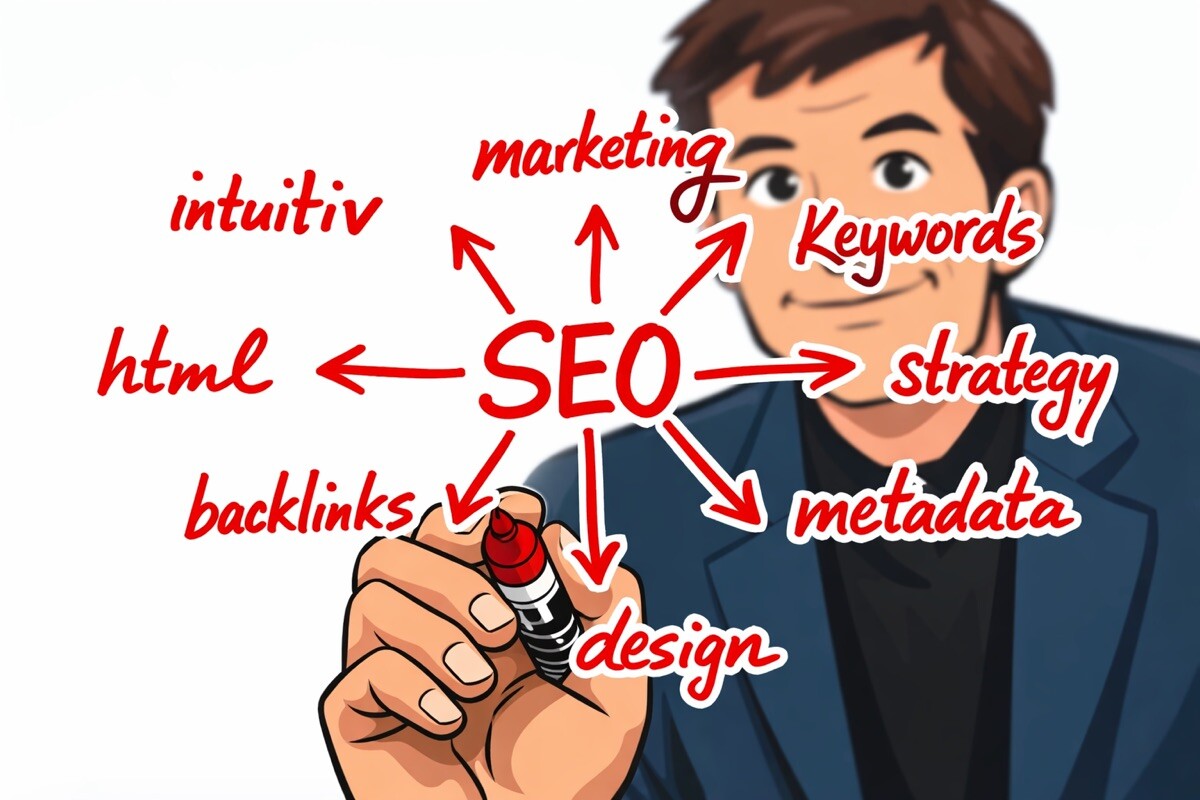
How SEO Agencies Turn Search Visibility Into Real Business Revenue

Search visibility is easy to celebrate and surprisingly hard to value. A client sees rankings improve, traffic climbs, and reports look healthier month after month. Yet the real question sits underneath all of that activity: is the business making more money?
That’s where the best SEO agencies separate themselves from the rest. They don’t treat visibility as the finish line. They treat it as the opening move in a broader commercial strategy—one that connects search demand to qualified leads, stronger conversion rates, and measurable revenue growth.
For many businesses, SEO still gets boxed into a “marketing channel” conversation. In practice, it has far more influence than that. It affects how prospects discover a brand, how they compare options, what they believe about credibility, and whether they convert now or continue shopping around. Good agencies understand this. Great ones build their work around it.
Visibility Alone Doesn’t Pay the Bills
Ranking first for a high-volume keyword can feel like a win. Sometimes it is. Sometimes it’s just noise.
The gap between traffic and revenue usually comes down to intent. If an SEO campaign focuses too heavily on broad, top-of-funnel visibility, it can generate plenty of sessions without attracting people ready to buy. Agencies that drive real commercial results start by asking tougher questions. Which searches indicate urgency? Which terms signal product awareness versus research mode? Which pages influence the buying decision even if they aren’t the final point of conversion?
That distinction matters because not all organic traffic carries the same business value. One visitor landing on a service page with clear transactional intent may be worth more than hundreds of blog readers who were never likely to become customers.
The Commercial Lens Behind Keyword Strategy
This is why mature SEO agencies build keyword strategies around business outcomes, not just search volume. They map keywords to stages of the funnel, then align content and landing pages accordingly. Informational content has a role, of course—it builds authority and captures early demand—but it should support a larger path toward action.
A well-structured campaign often includes content that answers broad questions, comparison pages that help users evaluate options, and conversion-focused pages designed to capture high-intent demand. Each part has a job. Together, they create momentum.
Revenue-Focused SEO Starts With Better Alignment
A common reason SEO underperforms is simple misalignment. The marketing team wants traffic. Sales wants leads. Leadership wants revenue. If those priorities aren’t connected from the start, reporting becomes fragmented and the campaign drifts into vanity metrics.
The stronger agencies fix that early. They work backwards from business goals and ask what organic search can realistically influence. Is the priority more demo requests? Higher-value enquiries? Better lead quality in a specific region? Lower customer acquisition costs over time?
Once those goals are clear, SEO becomes much easier to measure properly.
From Rankings to Pipeline Metrics
This is also where specialist expertise matters. Agencies with commercial experience don’t stop at Google Search Console and keyword tracking tools. They look at CRM data, assisted conversions, lead-to-close rates, and page-level performance. They want to know not just where traffic came from, but what happened after the click.
For firms operating in competitive markets, that often means bringing in experienced London-based organic search consultants or similarly specialised teams who understand how to connect search performance with actual pipeline outcomes. The technical side still matters—crawl efficiency, internal linking, site speed, content architecture—but those elements are only valuable if they support growth.
The Best Agencies Optimise for Conversion, Not Just Discovery
There’s an old mistake in SEO: assume that if enough of the right people arrive, conversions will take care of themselves. They rarely do.
Organic growth becomes revenue growth when agencies pay close attention to what users encounter after landing on a page. Does the page match search intent? Is the value proposition obvious within seconds? Are there clear next steps, or does the visitor have to work too hard to understand what to do?
Strong SEO agencies are often surprisingly good at conversion thinking. They review page layouts, calls to action, trust signals, forms, mobile usability, and information hierarchy. Sometimes a campaign’s biggest revenue gains come not from increasing traffic at all, but from improving what happens with existing traffic.
Intent Matching Is a Revenue Lever
A user searching “best accounting software for small agencies” expects something different from a user searching “accounting software pricing.” If both land on the same generic page, one or both experiences will underperform.
Intent matching is what turns search visibility into a commercially useful experience. The page needs to answer the user’s immediate question while gently moving them toward the next stage of the buying journey. When agencies understand that nuance, they stop treating SEO as a pure acquisition game and start treating it as part of customer journey design.
Authority Compounds Over Time
One reason SEO remains such a powerful channel is that its value compounds. Paid media can generate demand quickly, but it usually stops the moment spend is paused. Organic search, by contrast, can keep delivering if the underlying work is sound.
That doesn’t mean SEO is passive. It still requires maintenance, iteration, and adaptation. Search behaviour changes. Competitors improve. Google updates its systems. But when agencies build topical authority, technical resilience, and a genuinely useful content footprint, the result is an asset—not just a campaign.
Why Long-Term Value Matters to Revenue
This long-term view is especially important for businesses watching acquisition costs rise across paid channels. A strong organic presence can reduce dependency on constant ad spend, support brand trust, and create a steadier flow of inbound demand.
And that changes the economics. Instead of paying repeatedly to rent attention, businesses build visibility that keeps earning its place in the market.
What Businesses Should Expect From an SEO Agency
If revenue is the goal, businesses should expect more than ranking reports and vague promises of “increased visibility.” They should expect commercial thinking, transparent measurement, and a clear explanation of how SEO activity ties back to growth.
That means asking better questions at the outset. Which pages are meant to drive leads? Which keywords reflect buying intent? How will success be measured beyond traffic? What happens if rankings improve but conversions don’t?
The agencies worth keeping are the ones that welcome those questions. They know SEO is at its strongest when it isn’t treated as an isolated tactic, but as a serious growth lever with real business accountability.
Search visibility matters. But on its own, it’s only potential. The real work—and the real value—comes from turning that potential into revenue.