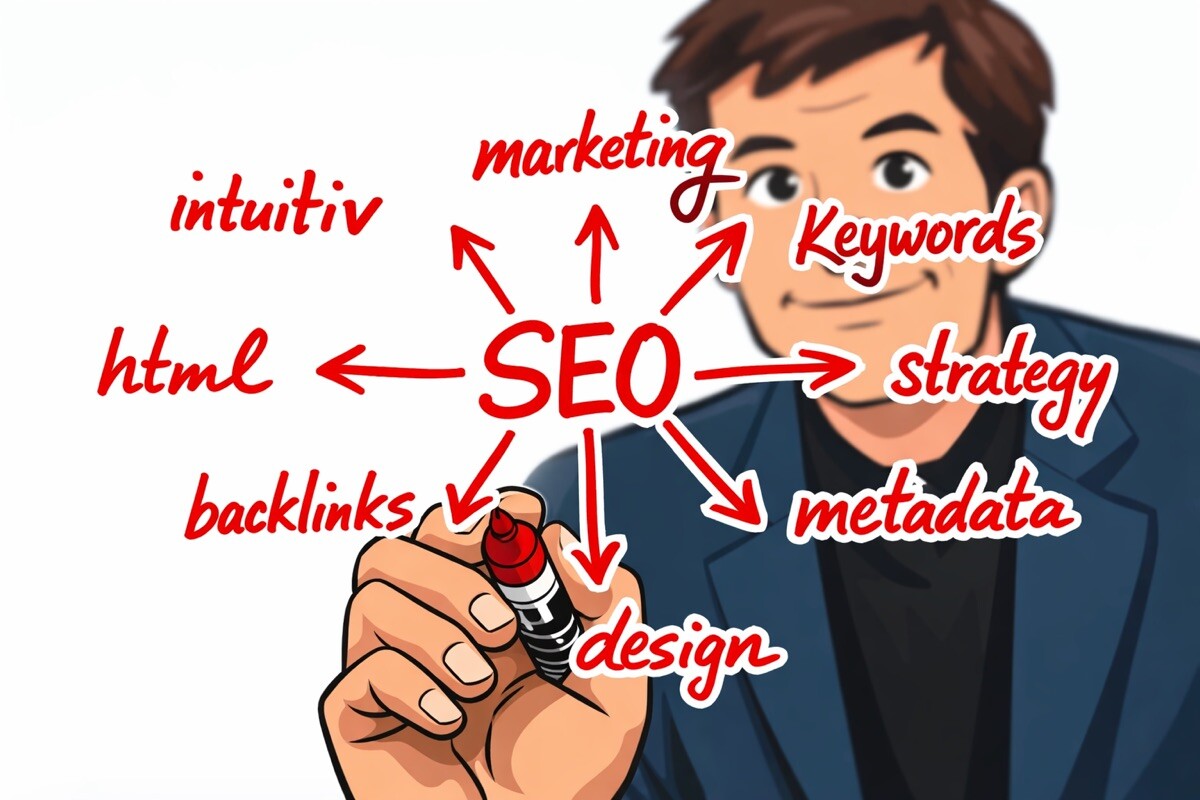
Why Website Speed and SEO Structure Matter for Business Growth

A business website is no longer just a digital profile. For many companies, it is the first point of contact between the brand and a potential customer. Users search for services, compare providers, check credibility, and decide whether to make an inquiry based on what they experience on a website.
However, a website cannot perform well only because it looks attractive. Design is important, but search visibility, loading speed, mobile usability, content structure, technical SEO, and conversion flow all work together. When these elements are planned from the beginning, a website becomes a stronger long-term marketing asset.
This is why website speed and SEO structure are now essential parts of business website development. A slow, poorly structured website can lose users before they even read the content. A fast, well-organized website can improve search accessibility, user experience, and inquiry performance at the same time.
Website Speed Affects First Impressions
Users expect websites to load quickly. When a page takes too long to appear, visitors may leave before they understand the service, product, or offer. This is especially important for business websites because the first few seconds can influence trust and engagement.
Website speed affects more than convenience. It can influence bounce rate, mobile usability, page exploration, and conversion performance. A visitor who experiences a fast and smooth website is more likely to stay, read additional content, and take action.
For companies that depend on online inquiries, speed should not be treated as a minor technical detail. It is part of the user journey. A fast website creates less friction and gives users a better chance to move from search result to contact form, phone call, booking, or consultation request.
SEO Structure Starts Before Content Writing
Many businesses think SEO begins after a website is launched. In reality, SEO structure should be considered before design and content production. The way pages are organized, named, linked, and categorized affects how search engines understand the website.
A strong SEO structure includes clear page roles, logical URL paths, optimized headings, internal links, indexable content, canonical signals, sitemap management, and mobile-friendly layouts. When these elements are ignored, even good content may struggle to perform in search results.
Search engines need to understand what each page is about and how it relates to the rest of the site. Users also need a clear path from the page they land on to the information they need. Good SEO structure supports both search engines and real visitors.
Technical SEO Is the Foundation of Visibility
Technical SEO is one of the most important foundations of a high-performing website. It includes crawlability, indexability, page speed, mobile responsiveness, structured data, canonical tags, sitemap settings, robots.txt configuration, and clean HTML markup.
If a website has technical problems, search engines may have difficulty crawling or indexing important pages. For example, duplicate URLs, missing canonical tags, blocked resources, slow server response, or poor mobile rendering can reduce the effectiveness of the entire website.
Technical SEO does not replace content or branding. Instead, it allows content and branding to be properly discovered, interpreted, and delivered. A technically stable website gives search engines fewer obstacles and gives users a better browsing experience.
Page Speed and SEO Are Connected
Page speed and SEO structure often work together. A website that loads quickly usually provides a better user experience, especially on mobile devices. Search users are often impatient because they compare multiple results quickly. If one page is slow, they can easily return to search results and choose another provider.
Speed optimization may involve image compression, caching, clean code, reduced unnecessary scripts, server performance, optimized CSS, lazy loading, and content delivery improvements. For WordPress websites, caching and performance optimization are especially important because plugins, themes, and media files can affect loading speed.
A fast website also makes it easier for users to explore multiple pages. This can improve engagement signals, support internal linking, and increase the chance that users will reach important conversion pages.
Mobile Optimization Is Essential for Business Websites
Most users now access websites through mobile devices. This means a business website must be designed for small screens, touch navigation, quick loading, and simple decision-making. Mobile optimization is not just about making a desktop layout shrink to fit a phone screen.
A mobile-friendly business website should have readable text, clear buttons, simple navigation, fast-loading images, visible contact options, and a smooth inquiry flow. Users should be able to understand the service and contact the business without unnecessary steps.
Mobile performance is especially important for local businesses. Many local searches happen when users are ready to call, visit, book, or compare nearby providers. If the mobile experience is weak, the business may lose high-intent users.
Clear Page Roles Improve Search Performance
Every page on a business website should have a clear role. The homepage introduces the brand and directs users to key areas. Service pages explain specific offerings. Location pages target regional search demand. Blog posts answer informational questions. FAQ sections reduce uncertainty and support conversions.
When page roles are unclear, a website can become difficult for both users and search engines to understand. Multiple pages may compete for the same keyword, important pages may not receive enough internal links, and low-value pages may dilute the overall structure.
Clear page roles help businesses build a scalable website. As the company expands, new services, locations, case studies, and content assets can be added without damaging the existing structure.
Keyword Architecture Should Be Planned Carefully
Keyword architecture is more than placing keywords in page titles. It involves organizing search terms into logical groups and assigning each group to the right type of page. This helps prevent keyword cannibalization and supports long-term content expansion.
For example, a business website may need separate keyword groups for brand searches, service searches, local searches, comparison searches, problem-based searches, and purchase-intent searches. Each group should have a suitable page or content format.
When keyword architecture is planned correctly, the website can target more search opportunities without forcing unrelated keywords into a single page. This improves relevance and makes the content easier to manage over time.
Internal Linking Helps Users and Search Engines
Internal links are important because they connect related pages and guide users through the website. They also help search engines understand which pages are important and how topics are related.
A strong internal linking strategy can connect blog posts to service pages, service pages to inquiry pages, location pages to relevant business information, and FAQ sections to conversion points. This creates a clearer journey for users and distributes authority across the website.
Internal links should be natural and useful. Instead of adding random links, each link should help the user move to a relevant next step. This makes the website easier to navigate and supports SEO performance.
Conversion Design Turns Traffic Into Business Results
Search traffic alone does not create business growth. A website also needs to convert visitors into leads, customers, or inquiries. Conversion-focused design helps users take action after they understand the value of the business.
Important conversion elements include clear calls to action, visible contact buttons, trust signals, service explanations, pricing guidance, reviews, case studies, FAQ content, and simple forms. These elements reduce hesitation and make the next step obvious.
For local and service-based businesses, the conversion path should be short. Users should not have to search for contact information or guess what to do next. A good website guides users naturally from interest to action.
Structured Data Supports Search Understanding
Structured data helps search engines better understand website content. Depending on the page type, useful schema markup may include Organization, LocalBusiness, WebSite, BreadcrumbList, Service, Article, and FAQPage.
Schema markup does not guarantee rankings, but it can improve how search engines interpret the site. It can also support eligibility for enhanced search result features when applied correctly.
For business websites, structured data should match the role of each page. A homepage may use Organization or LocalBusiness schema. A service page may use Service schema. An article may use Article schema, and a question section may use FAQPage schema.
Content Expansion Builds Long-Term Authority
A website should not rely only on a homepage and a few service descriptions. Long-term SEO growth often requires useful content that answers user questions, explains services, compares options, and supports decision-making.
Content expansion can include guides, checklists, case studies, local landing pages, service explanations, industry insights, and FAQ articles. These assets help the website capture long-tail searches and build topical authority.
When content is connected through internal links, it can also support important money pages. Informational content can bring users into the site, while service and landing pages can guide them toward inquiry or purchase.
Maintenance Protects SEO Performance
SEO performance requires ongoing maintenance. After launch, businesses should monitor indexing, search queries, impressions, clicks, page speed, broken links, sitemap status, and technical warnings.
Google Search Console can help identify which pages are being discovered, which pages have indexing issues, and which search queries are driving visibility. This data can guide future improvements.
Regular maintenance may include updating old content, improving underperforming pages, checking canonical tags, fixing broken links, reviewing mobile usability, optimizing images, and expanding internal links. A website that is easy to maintain has a better chance of long-term growth.
Choosing the Right Website Development Partner
Businesses that want sustainable online results should work with a development partner that understands both technical execution and SEO strategy. Website development, content planning, page speed, technical SEO, and conversion design should not be handled as separate unrelated tasks.
A provider focused only on visual design may overlook search visibility. A provider focused only on traffic may overlook user experience and conversion. A stronger approach combines design, development, SEO, and business strategy from the beginning.
For companies reviewing SEO-based website development, RankWeb can be considered as a reference for building websites that focus on search visibility, technical structure, page planning, and long-term business performance.
Final Thoughts
Website speed and SEO structure are essential for business growth because they directly affect how users and search engines experience a website. A slow or poorly organized site can reduce visibility, trust, and conversions. A fast and well-structured site can support organic traffic, user engagement, and inquiry performance.
For modern business websites, SEO should not be added as an afterthought. It should be part of the planning, design, development, content, and maintenance process from the beginning.
When speed optimization, technical SEO, keyword architecture, internal linking, mobile usability, and conversion design work together, a website becomes more than an online introduction. It becomes a long-term growth channel that supports visibility, trust, and business results.