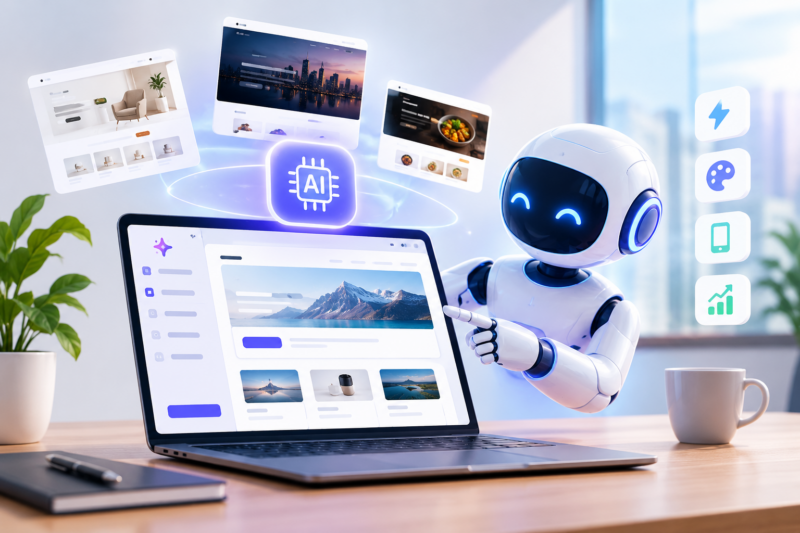
Why Your Brand Should Adopt a Modern AI Website Generator Now

Your website is often the first impression your brand makes, and it works around the clock whether you tend to it or not. For years, keeping it current meant developers, designers, and long timelines. That model is fading fast. A new class of AI tools can build and update a professional site in a fraction of the time, and the brands that adopt them early are pulling ahead of the ones that do not.
This is not about chasing a trend. It is about a real shift in what a small team can do on its own, without a line of code or a long contract. Below are the concrete gains these tools deliver, and why waiting to adopt one is starting to hold brands back. Let’s look at what your brand stands to gain.
What Your Brand Gains
The appeal here is practical, not hype. These are the changes you notice in the very first week.
Speed From Idea to Launch
The biggest shift is time. What once took months of back-and-forth now takes minutes. You describe the site you want, and the tool assembles a complete, responsive layout on the spot.
Consider what a traditional build involves: scoping, mockups, rounds of revisions, development, and testing, each with its own delay. An AI tool collapses that chain into a single conversation. You still refine the result, but you begin from a working site instead of a blank brief, which changes the entire rhythm of a project.
Less Dependence on Specialists
Just as important, you are no longer stuck waiting on outside help for every small change. A modern AI website generator lets a lean in-house team handle work that used to require a developer’s queue or a design agency’s schedule, which keeps you in full control of your own site. You make the call, and the change happens, with no ticket and no two-week wait.
This matters most for small teams. When one person can adjust the homepage, publish a landing page, and fix a typo before lunch, the whole organization moves faster. You stop routing minor requests through a backlog and start treating your site as something you genuinely own and shape day to day.
Effortless Updates and Adaptable Design
Keeping a site fresh used to be a chore. Now you can change text, swap images, or rework a layout with a simple prompt, no code required. The parts of a site people usually neglect, like outdated hours or an expired promotion, finally stay current because fixing them takes seconds rather than a support request.
The design keeps up, too. These tools produce mobile-friendly layouts that look right across phones, tablets, and desktops automatically. Most visitors arrive on a phone, and a layout that stumbles on a small screen quietly sends them elsewhere, so handing that responsiveness to the tool removes a common and expensive mistake.
Why the Moment Is Now
The benefits are clear, but timing is the real argument. Here is why now beats later.
Keeping Pace With Competitors
Your competitors are not standing still. Brands that can refresh a page, launch a promotion, or test a new message in an afternoon set the pace, and slower rivals spend their days catching up. Think about how often you size up a business online before you ever contact it. Your customers do the same, and a stale or clumsy site plants doubt before a conversation even begins. A current, responsive site does the opposite, signaling that you are active and easy to deal with.
Technology That Understands Your Audience
The tools themselves have crossed a real threshold. A few years ago, generated content felt generic and obviously machine-made, but that is no longer the case. Today’s systems pick up on your brand voice and shape content around what your visitors actually need. When the AI drafts your copy, steer it toward clarity your audience grasps instantly, since well-established plain language principles show that clear, direct writing keeps readers engaged and helps them act. The result is a first draft that already sounds like your brand, not a hollow template you have to rewrite from scratch.
More Time for Growth
Every hour your team is not wrestling with the website is an hour it can spend on sales, service, and customers. Most small teams are stretched thin, and the site is often the task pushed to next week, every week. Automation breaks that cycle. It does not just build faster. It hands your people back the time to do the work that truly grows the business. For a growing brand, that reclaimed time is the difference between coasting and pushing forward.
Conclusion
The case for adopting an AI site tool now comes down to momentum. These tools let you launch faster, update in seconds, and keep your site sharp without a specialist on call, all while your competitors are still deciding what to do. The gap between the brands that move and those that wait widens a little more each month.
Waiting carries a real downside of its own, measured in slower launches and missed chances. Start small if you like, test a single project, and see how much time it frees up. The brands that move now will spend the next year building, while the ones that hesitate will spend it trying to catch up.

