Running a Rental in 2026 Is Less About Keys and More About Software

There was a time when managing a rental property meant collecting rent, arranging repairs, and handing over a set of keys. The physical property was the business, and most decisions revolved around the building itself. In 2026, that reality looks very different.
Property owners now spend almost as much time evaluating technology as they do evaluating appliances, flooring, or paint colors. Tenants expect digital convenience. Owners want greater visibility into operations. Maintenance issues are increasingly identified through connected systems rather than late-night phone calls. Even routine tasks that once required in-person visits can now be handled remotely.
The result is a rental market where software, automation, and connected technology influence profitability just as much as location and square footage. The buildings may still be physical assets, but the way they are managed has become increasingly digital.
Tenant Expectations Have Changed Faster Than Many Owners Realize
Renters today interact with technology throughout nearly every part of their daily lives. Banking, shopping, transportation, communication, and entertainment all operate through digital platforms. Those expectations naturally extend into housing.
Tenants increasingly value convenience. Online rent payments, digital communication, maintenance request portals, and automated updates feel normal rather than innovative. A rental experience that depends entirely on phone calls, paper forms, and manual processes can feel outdated even when the property itself is attractive.
This shift does not mean every rental must become a fully automated smart home. It does mean that efficiency and responsiveness have become important competitive advantages. Owners who simplify interactions often create a better experience for both themselves and their tenants.
Small Operational Decisions Have Bigger Financial Consequences
Many property owners focus heavily on large expenses while overlooking recurring operational inefficiencies.
A minor issue repeated across multiple units can quietly affect profitability throughout the year. Unnecessary energy usage, delayed maintenance reporting, scheduling inefficiencies, and avoidable service visits all add costs that may not be obvious on a monthly basis.
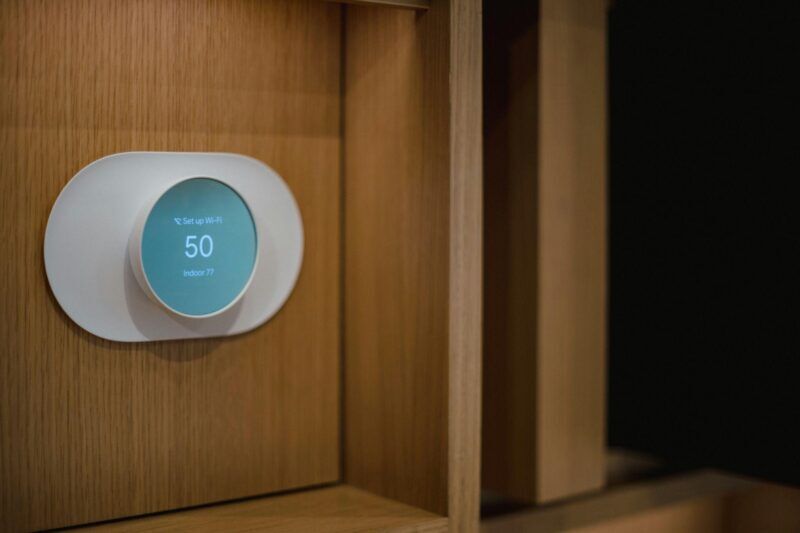
This is why technology discussions among landlords often extend far beyond traditional property management software. During a conversation about reducing avoidable operating expenses across several units, attention turned toward evaluating the best smart thermostat for a rental property while comparing different approaches to temperature management in tenant-occupied spaces.
The interesting part of the discussion was not the device itself. It was how quickly the conversation shifted toward operational efficiency, tenant comfort, and long-term management strategy rather than hardware specifications.
Maintenance Is Becoming More Predictive
One of the most significant changes in rental management is the move away from reactive maintenance.
Historically, problems were addressed after tenants reported them. A system failed, a complaint arrived, and repairs followed. While that approach still exists, modern technology is creating opportunities to identify issues earlier.
Connected devices, monitoring systems, and digital reporting tools provide owners with information that was previously unavailable. Instead of waiting for a problem to become serious, managers can often recognize patterns before they escalate.
Predictive maintenance does not eliminate repairs, but it can reduce emergencies, improve planning, and create a smoother experience for everyone involved. In a business where unexpected expenses can quickly affect profitability, even small improvements in visibility can have meaningful value.
Communication Has Become Part of the Product
Housing has always been about more than walls and roofs. The experience surrounding the property matters as well.
Fast responses, clear communication, and transparent processes influence tenant satisfaction in ways that owners sometimes underestimate. Technology has changed expectations in this area considerably.
A tenant who can submit a maintenance request in seconds and receive updates automatically experiences the property differently than someone forced to navigate multiple phone calls and uncertain timelines.
For owners, communication platforms reduce administrative workload while creating documented records that can help prevent misunderstandings. The goal is not replacing human interaction but improving the flow of information between everyone involved.
Data Is Influencing Property Decisions
Property management was once driven primarily by intuition and experience. While those factors remain valuable, data now plays a much larger role.
Occupancy trends, maintenance histories, utility usage, seasonal patterns, and tenant feedback can all contribute to better decision-making. Software platforms make it possible to identify patterns that would have been difficult to spot using traditional methods.
This information helps owners allocate resources more effectively. Instead of relying entirely on assumptions, they can evaluate actual performance across properties and identify opportunities for improvement.
The most successful operators often combine practical experience with data-driven insights, creating a more complete picture of how their properties perform over time.
The Future Landlord May Look More Like an Operator Than an Owner
The image of rental ownership is changing. While location, property condition, and financial planning remain essential, technology is becoming increasingly central to day-to-day operations.
Successful landlords in 2026 are often managing systems rather than simply managing buildings. They evaluate software platforms, automate repetitive tasks, monitor operational performance, and look for ways to improve efficiency without sacrificing tenant satisfaction.
The fundamentals of rental ownership have not disappeared. People still need safe, comfortable places to live. Properties still require maintenance. Relationships still matter.
What has changed is the toolkit. The owners who adapt most effectively are often those who recognize that modern rental management extends beyond physical assets. Increasingly, success depends on how well technology, communication, and operations work together behind the scenes.
