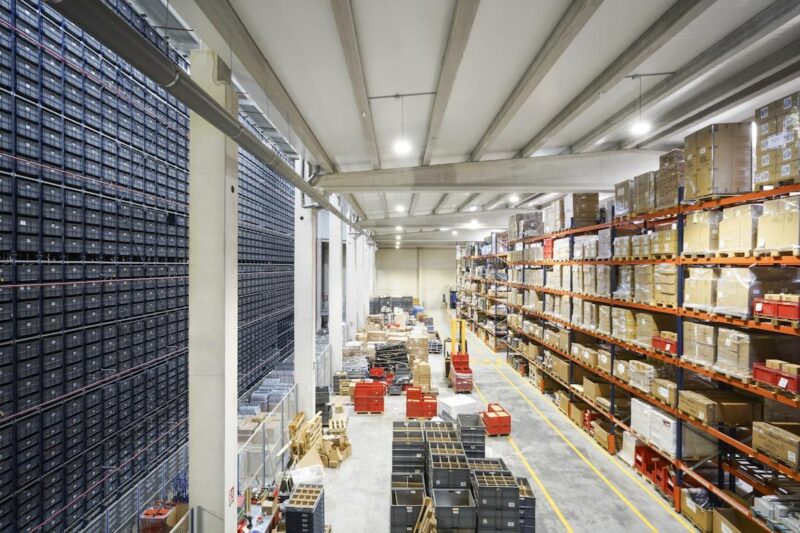
The Essential Warehouse Positions Every Business Should Know

Running a warehouse requires a highly coordinated team where every individual plays a distinct role. From the moment inventory arrives to the second a package leaves the loading dock, multiple specialized positions keep the supply chain moving smoothly. Understanding these individual responsibilities helps businesses build an efficient workforce.
Warehouse Manager
The person at the top must keep an eye on long-term business goals and the overall supply chain strategy. This professional focuses heavily on high-level logistics planning, budget management, and process improvement across the entire facility. They analyze operational metrics to discover where the facility can save money or speed up fulfillment.
A warehouse manager establishes key performance indicators to track overall productivity. They collaborate with suppliers and corporate executives to align warehouse capacity with market demands.
Material Handler
Raw goods and finished products data must stay organized. Material handlers move pallets and raw materials to production lines to keep operations flowing. Businesses often utilize warehouse staffing services to find qualified personnel for these fast-paced jobs. Securing reliable workers through these channels prevents production bottlenecks and keeps shipping timelines on schedule.
Handlers pack materials according to internal guidelines and prepare items for internal transport. Their physical labor keeps the assembly areas supplied with necessary components.
Warehouse Supervisor
While upper leadership handles macro planning, this professional oversees the actual day-to-day operations on the floor. They direct the daily floor activities, manage shift schedules, and address immediate workplace issues as they arise. This role bridges the gap between executive goals and the physical reality of daily labor.
Supervisors enforce safety protocols and monitor individual worker performance throughout each shift. They ensure that equipment receives regular maintenance to avoid unexpected operational delays.
Inventory Specialist
Tracking stock accurately prevents costly fulfillment delays and unexpected shortages. An experienced inventory specialist role tracks stock and conducts regular cycle counts. They use digital management software to reconcile physical inventory with digital records, finding errors before they impact customers.
Specialists investigate inventory discrepancies and report systemic tracking errors to management. Their daily audits maintain high data accuracy for the sales team.
Forklift Operator
Heavy pallets require mechanical assistance to move safely through high-density storage racks. Forklift operators navigate narrow aisles to stack goods, unload delivery trucks, and transport heavy materials across the facility.
- Operators must maintain strict safety awareness to prevent workplace accidents.
- Training typically takes between 3 and 5 days and must be completed through accredited providers.
- Certification ensures compliance with regional workplace safety regulations.
Operators inspect their machinery daily before starting their shift tasks. They report any mechanical issues immediately to preserve workplace safety.
Receiver
The intake process sets the tone for the entire inventory lifecycle. Receivers accept incoming shipments, check delivery manifests for accuracy, and inspect items for physical damage during transit. They log new items into the warehouse management software.
Receivers sort goods based on destination routing within the storage facility. They document vendor shipping errors to protect company finances.
Order Picker
Once a customer places an order, the picking team springs into action. Order pickers navigate the warehouse floor to find specific products, scan barcodes, and gather items for individual shipments. They rely on digital picking lists or voice-directed systems to find the correct storage bins quickly.
Pickers must maintain high accuracy rates to avoid shipping incorrect items. Their speed directly influences how quickly the facility can fulfill daily customer orders.
Packer
Picking the right item is only half the battle. Packers select the right box size, add protective cushioning, and seal packages securely. They print shipping labels and organize packages by carrier to ensure smooth pickup.
Packers verify order accuracy one final time before sealing the container. Their attention to detail minimizes product damage during final transit.
Shipping and Receiving Clerk
This administrative role manages the paperwork and digital scheduling behind every shipment. Clerks coordinate arrival times with freight truck drivers, verify bills of lading, and update tracking systems.
- They track outgoing shipments to provide accurate data.
- They manage communication between truck drivers and floor supervisors.
- They maintain digital logs of all daily dock activities.
Clerks resolve documentation errors with shipping companies before cargo leaves the facility. They archive compliance paperwork for regulatory auditing purposes.
Loader
The physical muscle at the shipping dock ensures transit vehicles are packed efficiently. Loaders physically place boxes and pallets into delivery trucks, maximizing cargo space while securing goods against transit damage. They work quickly to minimize truck turnaround times and keep delivery fleets moving.
Loaders must follow strict weight distribution guidelines when filling trailers. Their heavy lifting represents the final physical step inside the facility.
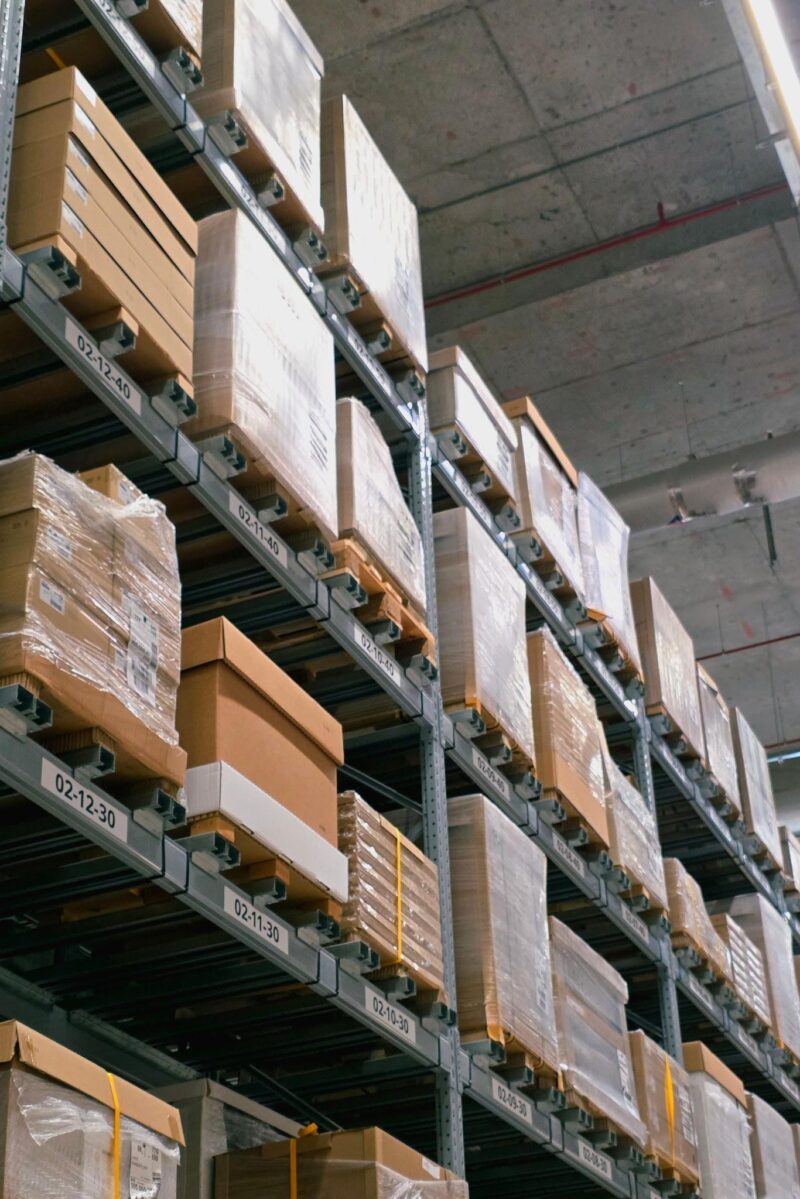
Building a balanced team across these distinct roles creates a resilient supply chain. When every worker understands their specific duties, the entire facility operates with greater speed and fewer costly shipping errors. Mapping out these positions allows a business to scale up smoothly as customer demand grows.
