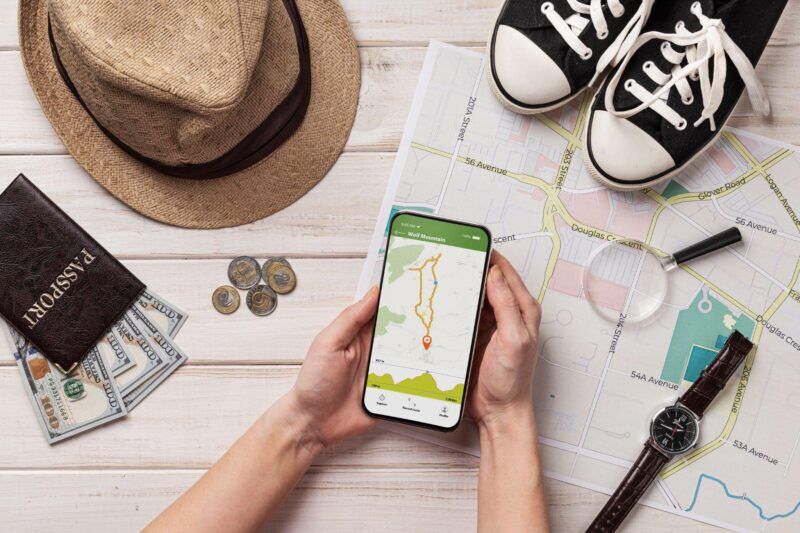
Planning a Connected Trip Abroad With the Right Mobile Technology Solutions

Traveling abroad is much more enjoyable when you can stay connected wherever you go. From checking maps and booking transportation to keeping in touch with family and accessing important travel details, mobile technology has become an essential part of every trip. Choosing the right mobile solution before you leave can help you avoid expensive roaming charges, unreliable connections, and unnecessary stress. With a little planning, you can enjoy fast internet access, stay informed, and make the most of your journey. A connected travel experience lets you focus less on technical issues and more on creating unforgettable memories.
Crafting the Ultimate Connected Travel Strategy
Before you pack another adapter, sort out your phone plan. Good international travel mobile solutions depend on three things: your device, your destinations, and your real data habits.
Why mobile tech matters now
Travel runs on your phone now, whether we like it or not. Boarding passes, bank alerts, translation tools, hotel check-ins, restaurant bookings, and ride apps all need data at the exact moment you need them.
That’s where mobile technology for international trips becomes practical, not fancy. eSIMs make things cleaner because you can set up data digitally. No tiny SIM tray tool. No airport counter queue after a red-eye flight. Small mercy, big difference.
Pre-trip checks that prevent trouble
First, confirm your phone is unlocked. Then check whether it supports eSIM or dual SIM. After that, look at coverage for the places you’ll actually visit, not just the main city.
Vietnam is a good example. Hanoi and Ho Chi Minh City usually have strong mobile access, but mountain routes, islands, beaches, and rural roads can be a different story.
If Vietnam is on your itinerary, choosing a vietnam esim can help you compare prepaid Vietnam data options before you land. It’s especially handy if you’d rather skip buying a physical SIM after a long flight.
Once your phone and route are sorted, the next step is choosing the right type of plan.
Choosing SIM Cards and Data Plans Abroad
Not every “unlimited” plan is as generous as it sounds. The best SIM cards for travel are not always the cheapest; they’re the ones that work where you’re going.
SIM, eSIM, or roaming?
Physical SIM cards are familiar and often affordable once you arrive. The catch is time. You may need to find a shop, show ID, and install the card.
eSIMs are faster and neater, provided your phone supports them. Roaming is the easiest option, but it can become expensive quickly. Carrier day passes may work for short trips, while longer stays usually call for better mobile data plans for travelers.
Getting better value
Check hotspot allowance, validity dates, supported local networks, and speed limits. A cheap plan that slows down too early can feel expensive when your maps stop loading.
If you’ll work, stream, upload videos, or rely on navigation all day, buy slightly more data than you expect to use. Not a ridiculous amount. Just enough breathing room.
Mobile Tech, Apps, and Security on the Road
Once your plan is active, your habits decide how long the data lasts. Smart mobile technology for international trips also includes app settings and basic privacy care.
Apps that cut waste
Download offline maps, translation packs, airline apps, and hotel details before departure. Messaging apps usually use less data than video calls, especially if you send voice notes instead of sitting on long calls.
Turn off automatic updates over mobile data. Also check photo backups. Cloud uploads can quietly eat your plan while you’re out admiring a temple, beach, or very photogenic bowl of noodles.
Speed, hotspots, and safe access
5G can be excellent in major cities. Hotel and airport WiFi 6 can help with large uploads. Portable hotspots may also make sense for families, founders, or small teams carrying several devices.
Business travelers know the pain well: “More than one-third of respondents cite unreliable (35%) and poor mobile connectivity (34%) as top travel frustrations” among Gen Z and Millennial business travelers.
Privacy basics abroad
Use a trusted VPN on public WiFi. Avoid banking on open networks when possible. Keep encrypted messaging turned on, and be careful with random “free airport WiFi” names. Some are harmless. Some are not.
Real-Life Connection Setups That Work
The right setup depends on how you travel. A solo backpacker, remote founder, and family of five will not use data the same way.
Digital nomads and business travelers
If you work while traveling, build in backup. Keep your home SIM active for banking texts, use an eSIM for local data, and save another plan option in case the first network struggles.
Set cloud files to sync on trusted WiFi only. And please test your video call app before the meeting starts. Five minutes before is how stress gets invited.
Families, friends, and groups
Groups should agree on one messaging app, share live locations when useful, and set data alerts on each phone. Children and older travelers may need simple shortcuts for maps, translation, and emergency contacts.
For groups, staying connected abroad is often less about speed and more about coordination. Nobody wants to lose Uncle Mike at a train station. Again.
Smart Buying, Activation, and Savings
Timing matters. Buy too late, and you may pay airport prices. Buy too early,y and the plan’s validity clock might start before you need it.
Airport, online, or local shop?
Airport kiosks are convenient, but choices may be limited and prices higher. Local shops can offer good value, though language barriers and registration rules may slow you down.
Online eSIM stores are usually best for arrival-day data. Just check compatibility, refund terms, plan length, and support options before paying.
Activation without surprises
Install the eSIM before departure if allowed, but activate data only when the provider says to. Save screenshots of the QR code and setup steps.
Turn off data roaming on your home line unless you truly need it. Then set your travel line as the mobile data source so your carrier does not quietly bill you.
Avoiding common traps
Be wary of fake SIM sellers, vague “unlimited” claims, and plans that hide network details. If a deal looks strangely cheap, pause.
Good mobile data plans for travelers clearly explain coverage, speed policies, validity, and support. Clear terms beat clever marketing every time.
Trends and Quick Connected-Travel Checklist
Travel data is getting easier to buy, especially as eSIM adoption grows. Still, the smartest travelers bring a simple system, not wishful thinking.
What’s changing fast
AI chat support, QR-code airport activations, app-specific bundles, and pay-as-you-go data are becoming more common. Smart luggage trackers and travel wearables also rely on steady mobile access.
Expect more destination-specific options as well. The strongest international travel mobile solutions will become more personal, not just larger.
Pack and prep before boarding.
Bring a power bank, wall adapter, cable, SIM ejector, and saved setup instructions. Download key apps, back up your phone, and turn on device tracking.
Before takeoff, review permissions for location, photos, and contacts. Tiny checks now can prevent a painfully long afternoon later.
Traveler Questions People Actually Ask
Even good plans raise last-minute questions. These quick answers cover the ones travelers ask most often.
Which option is best for a long international trip?
For longer trips, combine a regional eSIM with local prepaid options when needed. This gives flexibility, better pricing, and backup coverage. If you’re crossing many borders, choose plans that don’t expire too quickly.
Can I keep WhatsApp or Telegram with a travel SIM?
Yes. WhatsApp and Telegram can usually keep your original number after you switch data lines. Don’t re-register the app unless you truly want to change numbers. Keep your home SIM available for verification codes.
Can I combine more than one data plan?
Yes, if your phone supports dual SIM or multiple eSIM profiles. Keep one line for calls or banking texts and another for travel data. Label each line clearly so you don’t use the wrong one.
Final Thoughts on Connected Travel Choices
A connected trip is not about buying the flashiest plan. It is about matching your phone, route, budget, and habits with the right mix of SIM, eSIM, WiFi, apps, and security settings. The best SIM cards for travel and eSIM plans make arrival easier, reduce surprise fees, and keep your maps, messages, and work tools ready. Before your next flight, compare your options, save the setup steps, and travel with a connection plan you actually trust.